RCFP helps freelancer investigate oil and gas pollution in Oklahoma
In 2024, freelance reporter Nick Bowlin co-reported a couple of investigative stories for ProPublica about Oklahoma’s oil and gas industry. Bowlin said he emerged from that reporting with some good story leads about wastewater pollution in the state. But in order to turn them into investigative stories, what he really needed were public records.

Bowlin started submitting requests to the Oklahoma Corporation Commission, the agency responsible for regulating oil and gas in the state, but it didn’t take long for him to run into a major roadblock. In order to process his first request, the Commission said it would charge him an eye-popping sum: more than $149,000.
“I don’t know if I’ve come across a reporter who has had a records fee quite that large,” Bowlin said in an interview. “It was a big request, but that [amount] is obviously ridiculous.”
Bowlin said he spent the next several months narrowing his requests and regularly checking in with the agency — all to no avail. “I was banging my head against the wall, trying to get records out of the state,” he said. “They were just stonewalling me.”
Things changed, however, when Bowlin teamed up with Leslie Briggs, the Oklahoma-based attorney for the Reporters Committee for Freedom of the Press. After explaining his struggle to obtain records from the state, Bowlin said Briggs immediately started sending letters to the Commission on his behalf, making the case for the agency to turn over the requested records at little or no charge.
“Leslie got involved, and the records just started pouring in,” Bowlin said. “I was sort of struck by how swiftly things changed.”
The freelance journalist used those records to craft strong story pitches to ProPublica, which ultimately selected him to report them out while working for The Frontier, a nonprofit newsroom in Oklahoma.
To date, Bowlin has used the records that Briggs helped him obtain to report two in-depth investigations about state regulators’ failure to stop toxic wastewater from leaking out of poorly plugged oil wells. The pollution, which is the result of oil and gas companies injecting wastewater underground at high pressure, has contaminated drinking water, damaged farmland, and killed cattle, according to Bowlin’s reporting.
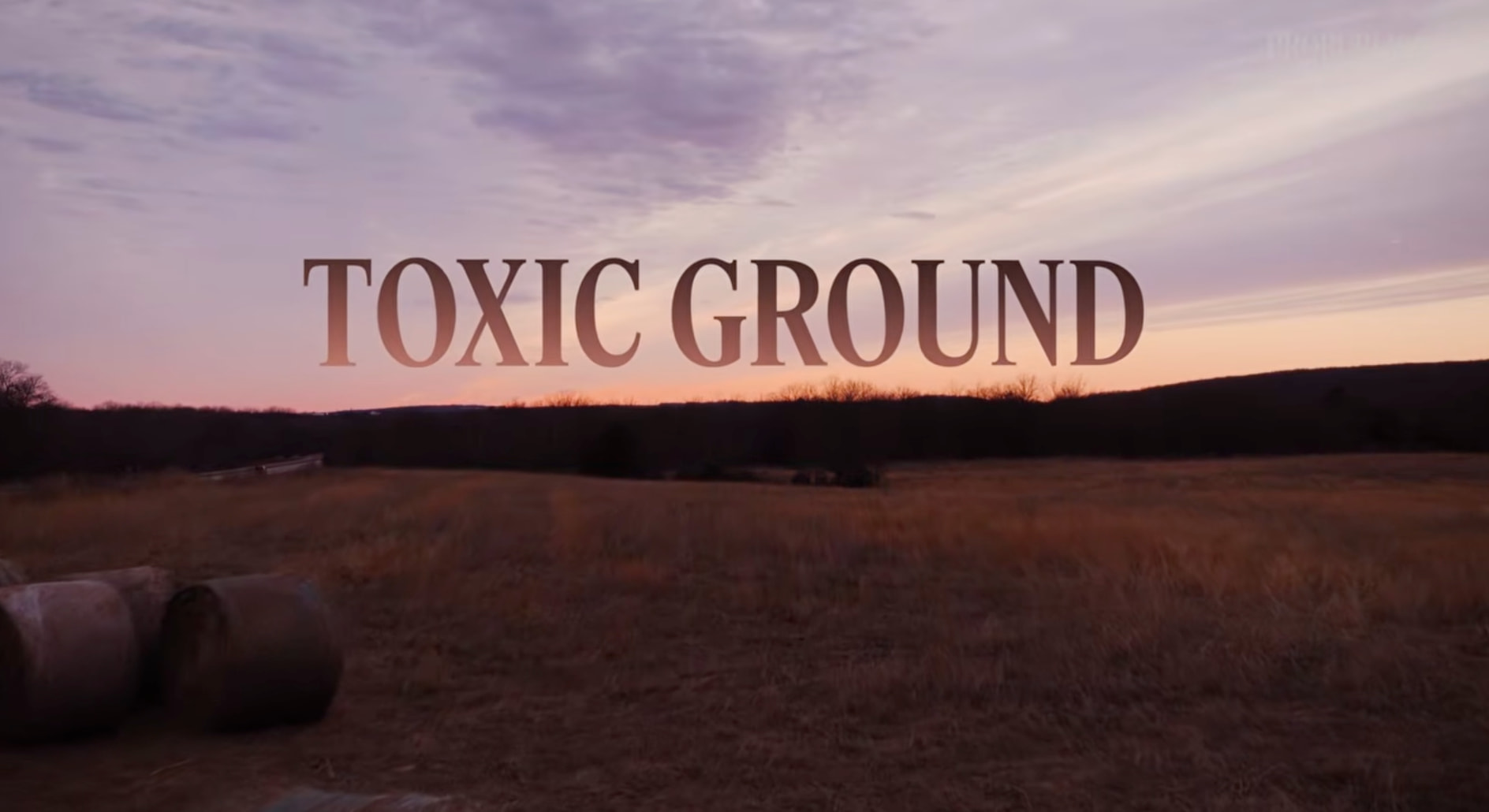
This month, ProPublica and The Frontier turned Bowlin’s investigative reporting into a powerful new documentary. The film spotlights Oklahomans whose lives have been upended by the wastewater problem and documents their struggle to get oil and gas regulators to respond.
Bowlin said the investigative project wouldn’t have been possible without the free legal support he received from Briggs and the Reporters Committee. He estimated that 95 percent of the records he obtained for his reporting were shaken loose thanks to Briggs’s communications with the Commission.
Those records, Bowlin said, were essential to the investigation because they helped confirm that state regulators knew about the wastewater leaks for years but did little to address them. He said the records helped shape the narrative arc of the story, showing some Commission employees raising alarms, industry leaders pushing back, and, in the end, not much being done to respond to the pollution.
“Without those records,” Bowlin said, “it would allow state regulators to potentially dodge responsibility.”
In an interview with Bowlin, the Commission said the state has taken steps to address the wastewater problem and is committed to “doing the right thing, holding operators accountable, protecting Oklahoma and its resources, and providing fair and balanced regulation.”
Bowlin said the Reporters Committee is a valuable resource for any journalist, and he recommends having the organization’s free Legal Hotline on “speed dial” in case of emergencies. But he said the Reporters Committee is especially helpful for freelance journalists like himself, who often lack the institutional support necessary to push back when government agencies refuse to turn over public records.
“Freelancers often have way more good stories in their notebook that they can’t report. Usually the primary limitation is, ‘I know these records are out there, how do I get them? I don’t have money to pay a lawyer,’” he said. “But when RCFP steps in, those stories get written.”