With support from RCFP attorneys, LNP | LancasterOnline wins access to police bodycam videos of teen arrests
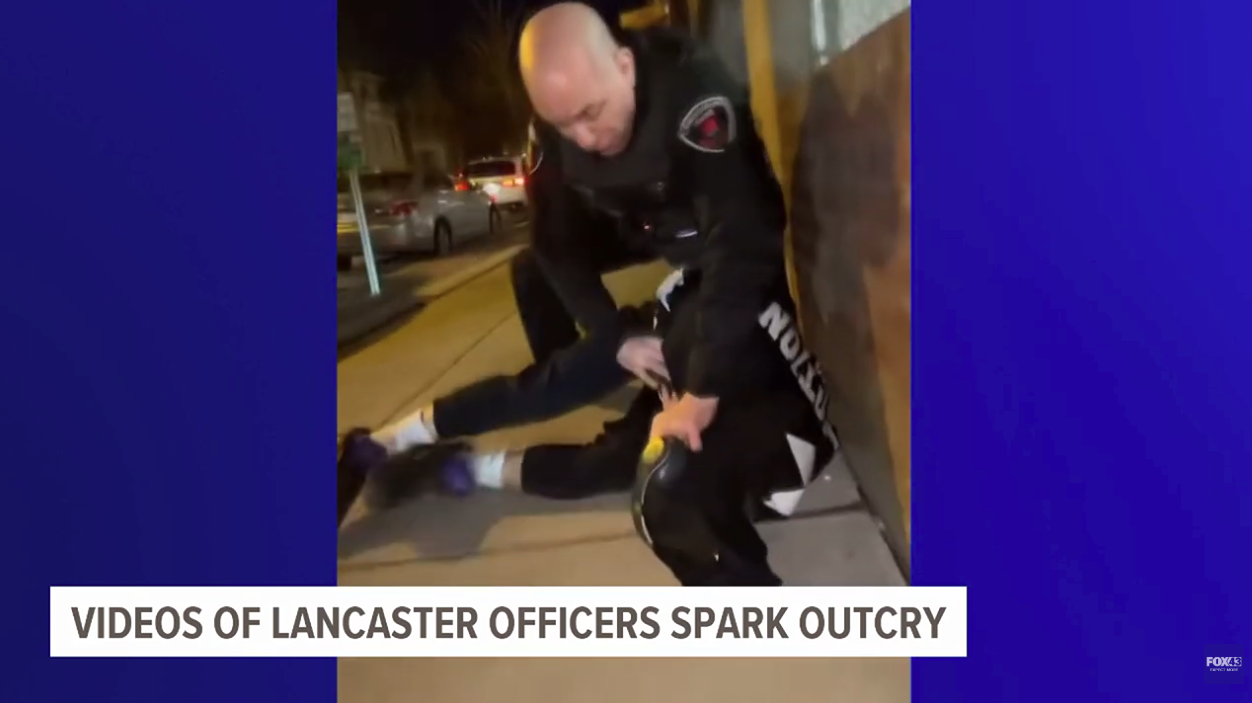
A judge has ordered the city of Lancaster, Pennsylvania, to release all police body-worn camera and dashboard camera footage capturing the controversial arrests of teenagers who were riding their bicycles on city streets in March.
The ruling came just one day after attorneys from the Reporters Committee for Freedom of the Press argued on behalf of LNP that the public interest in accessing the recordings outweighed the city’s interests in keeping them secret.
As LNP | Lancaster Online reported, it appears to be the first time a court has granted a request to access police bodycam videos under Pennsylvania’s Act 22, a law that authorizes members of the public to request video or audio recordings created by law enforcement agencies.
“This is an important win not just for LNP but for the promise of transparency in the Commonwealth. Act 22 was passed in 2017 specifically to enable greater accountability, yet we’ve seen little to no case law flesh out that vision,” said Reporters Committee Staff Attorney Gunita Singh, who is representing LNP alongside RCFP Local Legal Initiative Attorney Paula Knudsen Burke. “The court’s order this week may be the first successful ruling on the merits of an Act 22 case in the state. But it won’t be the last.”
The recordings could help shed light on Lancaster city police officers’ response to an incident on March 2. That night, officers arrested teenagers who were riding their bicycles on city streets. The teens were arrested and charged with disorderly conduct.
The incident attracted lots of local news coverage. After the release of a bystander’s video showing the arrests, activists called for the officers involved to be fired. However, the Lancaster police chief held a press conference on March 18 absolving the officers of any wrongdoing, determining that they used the minimum amount of force required to arrest the juveniles.
With so many questions about the incident still unanswered, Dan Nephin, a crime and public safety reporter with LNP, submitted a request under Act 22 seeking access to all bodycam and dashcam footage related to the arrests. The city denied Nephin’s request.
On behalf of LNP, Singh and Burke sued the city of Lancaster in May. The lawsuit argued that the city’s denial was “arbitrary and capricious,” and that the significant public interest in the circumstances surrounding the March arrests trumps the city’s interest in shielding the videos.
During oral arguments on Nov. 4, Singh stressed that the city could easily release the recordings with redactions to protect the identities of the juveniles and any other sensitive information.
A day later, Judge Thomas Sponaugle of the Lancaster County Court of Common Pleas ruled in favor of LNP. In a two-page order, the judge ordered the city to release all of the requested bodycam and dashcam recordings, with redactions to hide the identities of the teens. The judge gave the city 45 days to comply with the order or appeal the decision.
In a statement to LNP, Singh said, “We look forward to the city’s timely transmittal of the body worn camera footage depicting its officers’ interactions with Lancaster youth so the press and public can evaluate the interaction for themselves.”
Melissa Melewsky, in-house counsel for the Pennsylvania NewsMedia Association, celebrated the court’s decision in an opinion column for LNP, writing that it “affirmed what many Pennsylvanians already know: Transparency builds trust and accountability strengthens law enforcement.”
Melewsky, who frequently collaborates with Reporters Committee attorneys, noted that the court’s decision should serve as a “turning point” in the debate over Act 22.
“Pennsylvanians deserve a law that recognizes the public’s right to know and provides a practical path to facilitate it,” she wrote. “The state Legislature should amend Act 22 to restore transparency and accountability and to promote trust between law enforcement and the communities they protect and serve.”
To learn more, check out LNP’s coverage of the ruling.