Colorado appeals court orders release of bodycam footage showing fatal police shooting
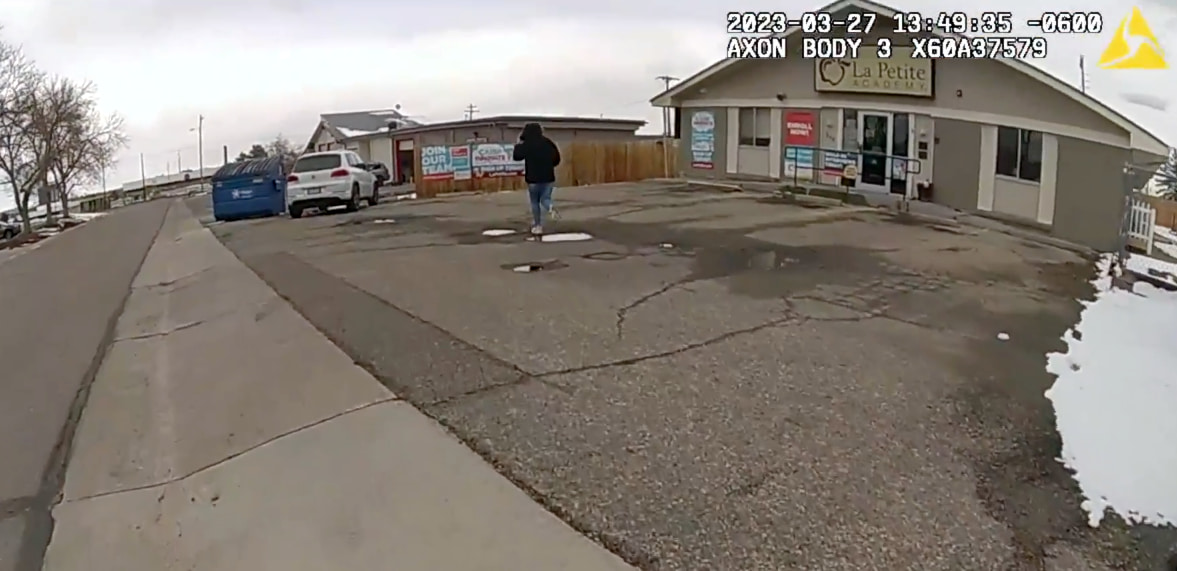
The city of Lakewood, Colorado, has released body-worn camera footage depicting the fatal police shooting of a 17-year-old girl after an appeals court ruled that state law “unambiguously required” its disclosure.
In July, a three-judge panel of the Colorado Court of Appeals affirmed a district court’s ruling in favor of Scripps News, which sought the footage nearly two years ago under Colorado’s Enhance Law Enforcement Integrity Act. The landmark police accountability law, passed in 2020, affords the public prompt access to bodycam footage of the death of a civilian following a complaint of police misconduct.
Scripps News was represented in the lawsuit by Rachael Johnson, the Colorado Local Legal Initiative attorney for the Reporters Committee for Freedom of the Press, and local attorney Steven Zansberg.
The panel’s ruling marks one of the first times an appeals court has weighed in on the Integrity Act. It also marks Johnson’s latest court victory on behalf of news outlets seeking to access records under the law to inform their communities about the circumstances surrounding police use of force.
The newly released footage provides context to a 2023 shooting in which Lakewood police officers killed Mariana Martinez, a teen who was accused of robbing a postal worker with a gun. Initially, Lakewood Police Department officials said Martinez had fired her weapon at the officers, but they later withdrew that statement, saying she had only pointed a gun at police. A district attorney ultimately concluded that the shooting was justified.
According to Scripps News’ reporting, the footage shows that Martinez pointed her gun in the direction of police before officers shot her multiple times. At the order of the court, the girl’s face is blurred in the recording to protect her privacy interests.
“As journalists, we shine light on many things to make sure citizens have a complete picture of what is going on in their community and how things are transpiring,” said Lori Jane Gliha, a national investigative reporter at Scripps who first requested the footage in 2023. “It’s important to have access to the whole story, especially when someone has been injured or killed. Citizens should be able to make informed decisions about their communities based on all the facts.”
Behind the push for police transparency
Johnson has now successfully litigated all four Integrity Act cases she has brought on behalf of local news outlets in Colorado. The victories have not only forced the disclosure of previously undisclosed bodycam footage that shed more light on the actions of law enforcement, they have also helped shape courts’ interpretations of the law in favor of greater transparency.
In 2021, Johnson litigated back-to-back cases on behalf of news media coalitions. In separate rulings issued just weeks apart, district court judges in Weld and Arapahoe counties ordered the disclosure of bodycam footage that led to the prosecution of police officers who allegedly placed people they were arresting in chokeholds.
This year, Johnson sued the Aurora Police Department on behalf of KUSA-9 News, arguing that it violated the Integrity Act by refusing to turn over the full, unedited bodycam footage of the police shooting of 37-year-old Kilyn Lewis in response to 9 News’ public records requests. In June, a judge ordered the department to release the footage in its entirety, ruling that the department violated the law by only releasing edited recordings of the incident.
“The disclosure of police bodycam videos is essential to helping establish trust between law enforcement officers and the communities they serve,” said Johnson, who earlier this year received a First Amendment award from Colorado’s Society of Professional Journalists chapter in recognition of her work to promote government transparency and accountability in the state. “If police departments continue to unlawfully shield bodycam videos from the public, Reporters Committee attorneys are ready and willing to help news outlets challenge them in court. As these cases have shown, the law is on our side.”