It’s time for Congress to reform FOIA. Here’s how RCFP would do it.
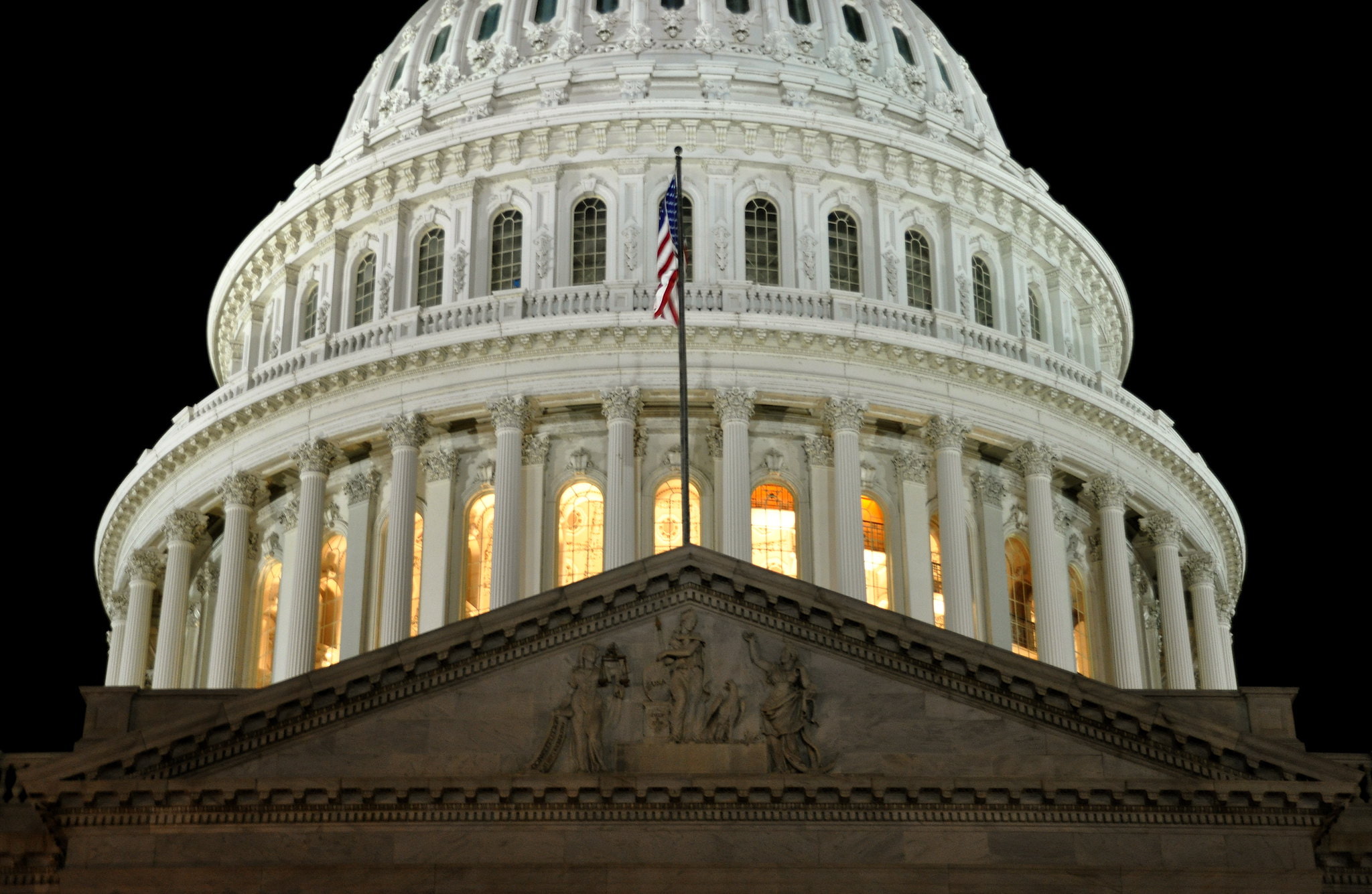
This post originally appeared in The Nuance, the Reporters Committee’s newsletter on legal and policy issues at the forefront of a free press. Sign up today!
Last month marked 10 years since the federal Freedom of Information Act was last amended by Congress. At the time, the transparency reforms signed into law by then-President Barack Obama were expected to make it easier for members of the press and public to use FOIA to access records held by federal agencies.
Most notably, the FOIA Improvement Act of 2016 created what’s known as the “foreseeable harm standard,” which lawmakers intended to cut down on agencies’ abuse of the law’s nine exemptions to withhold data, documents, and other records. It also created a consolidated online FOIA request portal and required more government records to be proactively disclosed to the public, among other amendments.
All welcome changes, for sure. But they haven’t exactly solved all of what ails FOIA. Journalists and other requesters (including our attorneys at the Reporters Committee for Freedom of the Press) continue to complain about agencies citing the law’s exemptions — often with little or no justification — to significantly redact documents or withhold them entirely. In FY 2025, federal data show that more than 81% of substantively processed FOIA requests across all agencies were either denied in part or in full.
And it’s not just the denials. Federal data show that FOIA delays that have plagued the law for decades have actually gotten worse since the law was last amended. For example, the average processing time for simple FOIA requests increased nearly 73% — from 28.04 days in FY 2016 to 48.5 days in FY 2025, according to the federal government.
The number of backlogged requests, meanwhile, has gotten out of hand. In FY 2016, there were 115,080 backlogged requests across all federal agencies. That number rose to 339,671 in FY 2025 — a staggering 195% increase.
The situation isn’t getting any better. Since President Donald Trump returned to office last year, his administration has taken steps to dismantle the law. Federal agencies have reduced their FOIA staff by 14%, resulting in “delayed responses to a range of FOIAs,” The Washington Post recently reported. And in an unprecedented move, the U.S. Department of Energy actually attempted to mass cancel FOIA requests.


All that to say, FOIA is long overdue for another round of reforms.
But what exactly should lawmakers prioritize when putting together legislation to improve this well-intended but deeply flawed law? For answers, I enlisted the help of Reporters Committee attorneys who have dedicated their careers to FOIA: Director of National Litigation Adam Marshall and Staff Attorney Gunita Singh.
Marshall and Singh have countless ideas for ways to strengthen FOIA, but I asked them to come up with a short wishlist of changes that could go a long way toward making the federal government more transparent and accountable. Here’s what they came up with.
Public interest balancing
Right now, most of FOIA’s exemptions do not require agencies or courts to consider the public interest in determining whether certain information should be withheld, no matter how much that information could benefit our democracy or protect public health and safety.
Congress should change that by creating what’s known as a public interest balancing test. Under this test, agencies and courts would be required to weigh the public’s interest in accessing records versus the government’s interest in keeping them secret. If the public interest wins out, the records would have to be released, even if they fall within the scope of a FOIA exemption.
Reporters Committee attorneys have been calling for the addition of a public interest balance test for more than a decade. In a chapter for the 2016 book “Troubling Transparency,” Marshall and former Reporters Committee attorney Katie Townsend wrote that such a test would help restore the “workable balance” that Congress originally sought to achieve between the public’s right to know and the government’s legitimate need for secrecy.
Timely compliance
FOIA delays are a menace to government transparency. Federal agencies are simply not doing enough to comply with the law in a timely manner. And that’s especially concerning for journalists, who often need to access records quickly in order to tell important stories in the public interest.
The delays are largely the result of limited resources. Even before the Trump administration started laying off FOIA employees en masse, FOIA teams were understaffed and unable to keep up with the influx of records requests. Now, the delays have reached a breaking point.
One simple solution is for Congress to significantly increase agency funding for FOIA processing. In addition to funding more staff, the money could be used to modernize the technologies that FOIA teams use to process requests. In the age of artificial intelligence, agencies should be using the technology to more efficiently locate requested records.
In order for these reforms to work, however, lawmakers must add penalties if agencies fail to comply with FOIA deadlines. For example, they should consider adding to the law language that would make it mandatory for agencies to pay requesters’ attorney’s fees if they fail to respond in a timely manner. Such penalties would encourage agencies to better fund their FOIA departments and focus on modernizing their technologies so that journalists and other requesters don’t have to wait months or even years to get a response to a records request.
Proactive disclosure
So many of the problems that plague FOIA could be solved if federal agencies proactively disclosed more records to the public, especially those that are the subject of a high volume of requests. By posting documents on their websites, agencies could dramatically reduce the number of FOIA requests they need to respond to, allowing them to focus their limited resources on tackling other requests for information.
As mentioned above, the FOIA Improvement Act of 2016 included requirements that agencies proactively disclose records. This was a good first effort, but Congress should focus on expanding and strengthening these requirements. For example, lawmakers should mandate that agencies post the calendars of their leadership, information about their top contractors and lobbying activities, and unclassified Inspector General reports, among many other records.
FOIA court
Since FOIA’s inception, disputes between requesters and agencies have always made their way through the traditional federal court system. This path can take a long time and cost a lot of money, and it often scares journalists and other requesters away from challenging delays and denials even when they have a good case.
But what if Congress created a streamlined, FOIA-specific court system where the judges can focus just on the public records law? Such a system, which could feed into the existing federal courts, could function like other speciality courts, such as the Court of National Trade or bankruptcy courts.
This kind of reform is certainly much more of a long shot — creating a new court system can’t happen overnight — but as Marshall told me, “It’s not crazy.” The idea has already been floated by the Federal Freedom of Information Act Advisory Committee, a body that makes recommendations on improving the law.
A FOIA court would help requesters get a faster resolution to their cases without having to endure the full federal litigation process. And it would also alleviate the FOIA burden on federal district courts, especially the U.S. District Court for the District of Columbia, which hears the most FOIA cases.
Congress wouldn’t have to reinvent the wheel either. Ohio, for example, has already implemented a system where requesters pay a small fee to have their disputes handled through a specialized public records court process. Some cases are resolved through mediation while others reach a magistrate judge for a ruling. Disputes are handled entirely on the papers — no oral arguments, no discovery — and, according to a study published last year, most cases are resolved in just a few weeks.
Wouldn’t that be nice?
Conclusion
The bottom line is that FOIA badly needs to be reformed. Congress can take many different paths toward making FOIA work the way it should, but we hope the ideas we’ve laid out here offer a helpful roadmap for lawmakers.
Do you have other ideas for improving the federal public records law? Send them to comms@rcfp.org, and we will consider highlighting them in a future edition of The Nuance.
*Reporters Committee Intern Vivian Rong contributed research to this post.
(Photo by Kevin Burkett, via Flickr)