ICE lost count of miscarriages in detention, records obtained by the Guardian reveal
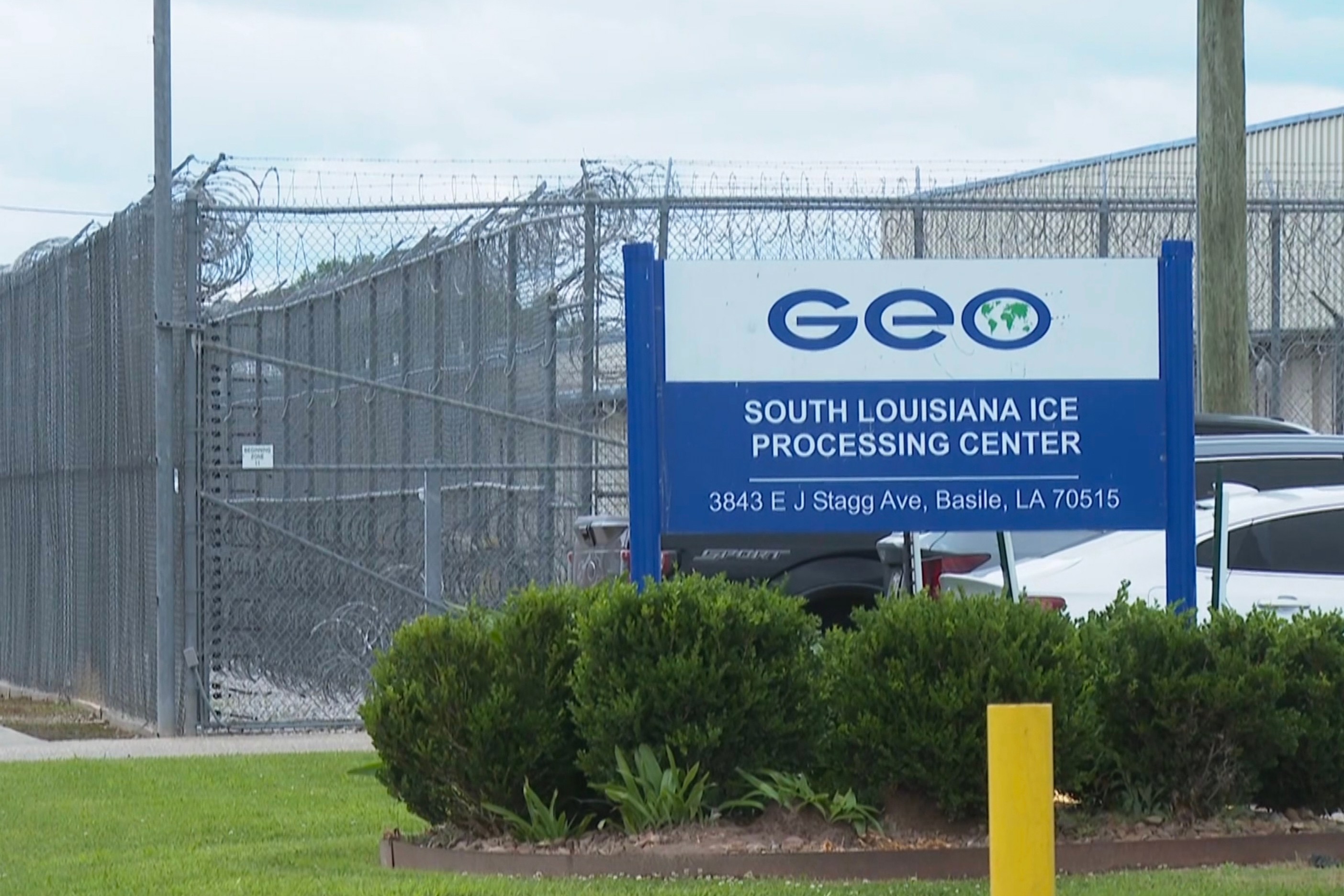
Recently obtained government documents reveal that U.S. Immigration and Customs Enforcement has lost count of miscarriages in its custody while detaining a record number of pregnant women with limited access to medical care, according to new reporting from the Guardian.
The Guardian obtained the documents with free legal support from Reporters Committee attorneys, who filed a Freedom of Information Act lawsuit on the news outlet’s behalf in March. In response to the lawsuit, ICE released records that document the number of pregnant, postpartum, and nursing people in the agency’s custody during a roughly 15-month period starting in October 2024.
The records show — and a U.S. Department of Homeland Security spokesperson confirmed — that ICE stopped counting miscarriages a year ago, according to the Guardian. The agency has never before acknowledged that fact — not even in response to inquiries from U.S. senators.
In addition to obtaining the data, journalists for the Guardian spoke with detained pregnant women who said they are “struggling to access routine and emergency medical care.” Experts have raised concerns that inadequate medical treatment at detention facilities could lead to dangerous — and preventable — health complications, the news outlet reported.
Will Craft, data editor for the Guardian U.S., said he and journalist Maanvi Singh began digging into how the Trump administration’s immigration enforcement campaign was impacting families after the duo reported on leaked deportation flight manifests from an approximately 100-day span in 2025. Their analysis found that, within that time frame, ICE’s largest airline contractor transported nearly 500 children under the age of 10 — 22 of whom were infants.
“We had all these questions,” Craft told Reporters Committee in an interview. “Are women giving birth in immigration detention? In what conditions are they giving birth? What are the conditions that they’re forced to endure as they’re carrying their children?”
In early January, Craft submitted a FOIA request to ICE seeking documents that could provide answers. But ICE let the request languish for months without releasing any records. So, on behalf of the Guardian U.S., Reporters Committee attorneys Adam A. Marshall and Gunita Singh sued.
ICE released some records, including data tracking the number of miscarriages in ICE detention facilities, but the miscarriage tally cut off on Oct. 3, 2025. Craft said the documents attributed the missing data to a change in the agency’s medical accounting system, and a DHS spokesperson at first claimed that ICE was tracking miscarriages in monthly reports.
It took several months of follow-up reporting to determine that ICE had indeed lost count of miscarriages in its custody, Craft said.
“The data’s important because it’s an accountability thing,” Maanvi Singh, one of the journalists who reported the story with Craft, told WBUR. “If there’s going to be so many pregnant people in detention, we want to know what’s happening to them.”
The records show ICE recorded 18 miscarriages in the first nine months of the Trump administration, which experts told the Guardian is likely an undercount because some women who have a miscarriage don’t notice symptoms.
And last fall and winter, “ICE held more pregnant individuals in detention than at any time over the previous year,” the news outlet reported, raising questions about ICE’s adherence to a 2021 federal policy that states the agency should avoid detaining pregnant, postpartum, and nursing immigrants but for exceptional circumstances.
A DHS spokesperson told the Guardian that the agency is abiding by the 2021 policy. “The 2021 directive is still in place,” said spokesperson Chandler Rebel. “Pregnant women receive regular prenatal visits, mental health services, nutritional support, and accommodations aligned with community standards of care.”
The Guardian’s reporting is the latest in the news outlet’s effort to shed light on how the Trump administration is carrying out its immigration enforcement crackdown.
Earlier this year, the newsroom’s analysis of records obtained through a FOIA lawsuit filed by Reporters Committee attorneys revealed that the vast majority of people who were targeted for deportation for the first time in 2025 had no criminal conviction — undercutting the government’s claims that its enforcement operations are focused on arresting “dangerous criminals.”
Craft said these lawsuits have been essential to pierce the veil of secrecy surrounding the Trump administration’s immigration enforcement campaign. Without taking the government to court, he said, it could take years to shake loose records of great public interest.
“The American people deserve to know what the government is doing in its name with taxpayer money and the impact that it is having on people that live here, the impact that it’s having on families, the impact it’s having on their communities,” Craft said. “If we don’t get access to these records, if we don’t use the tools available to us to try to report on what is happening, then the people will not know what the government is doing in their name.”
Craft said Reporters Committee’s free legal help has been an “invaluable resource.”
“Even before they were helping me sue the government, which I love doing, their FOIA guides on every state have helped me basically since the moment I was an intern,” he said. “We would not be able to do a lot of this reporting without the help of so many people at the Reporters Committee.”
Read the Guardian’s reporting to learn more about the newly released records.