Journalist Marisa Kabas discusses her successful fight for bodycam videos of DOGE raid at US Institute of Peace
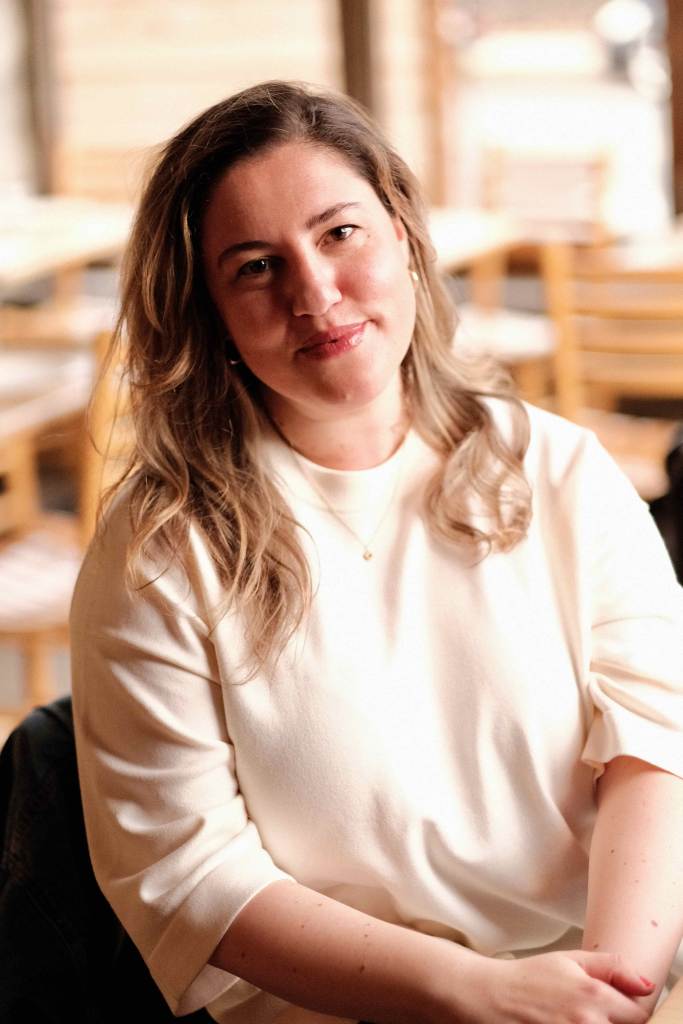
Last week, journalist Marisa Kabas of The Handbasket published a story that revealed what happened when Trump administration officials — with the help of the District of Columbia Metropolitan Police Department — took control of the U.S. Institute of Peace one year ago.
Kabas’s report was the culmination of a yearlong public records battle that she waged with free legal support from attorneys at the Reporters Committee for Freedom of the Press.
Represented by Reporters Committee attorney Adam Marshall and legal fellow Allyson Veile, Kabas sued the city of D.C. last year for access to all police body-worn camera footage captured during the U.S. Department of Government Efficiency’s raid on USIP. A judge ruled in favor of the independent journalist last month, ordering the city to turn over all bodycam footage related to the incident — nearly six hours in all — without any redactions.
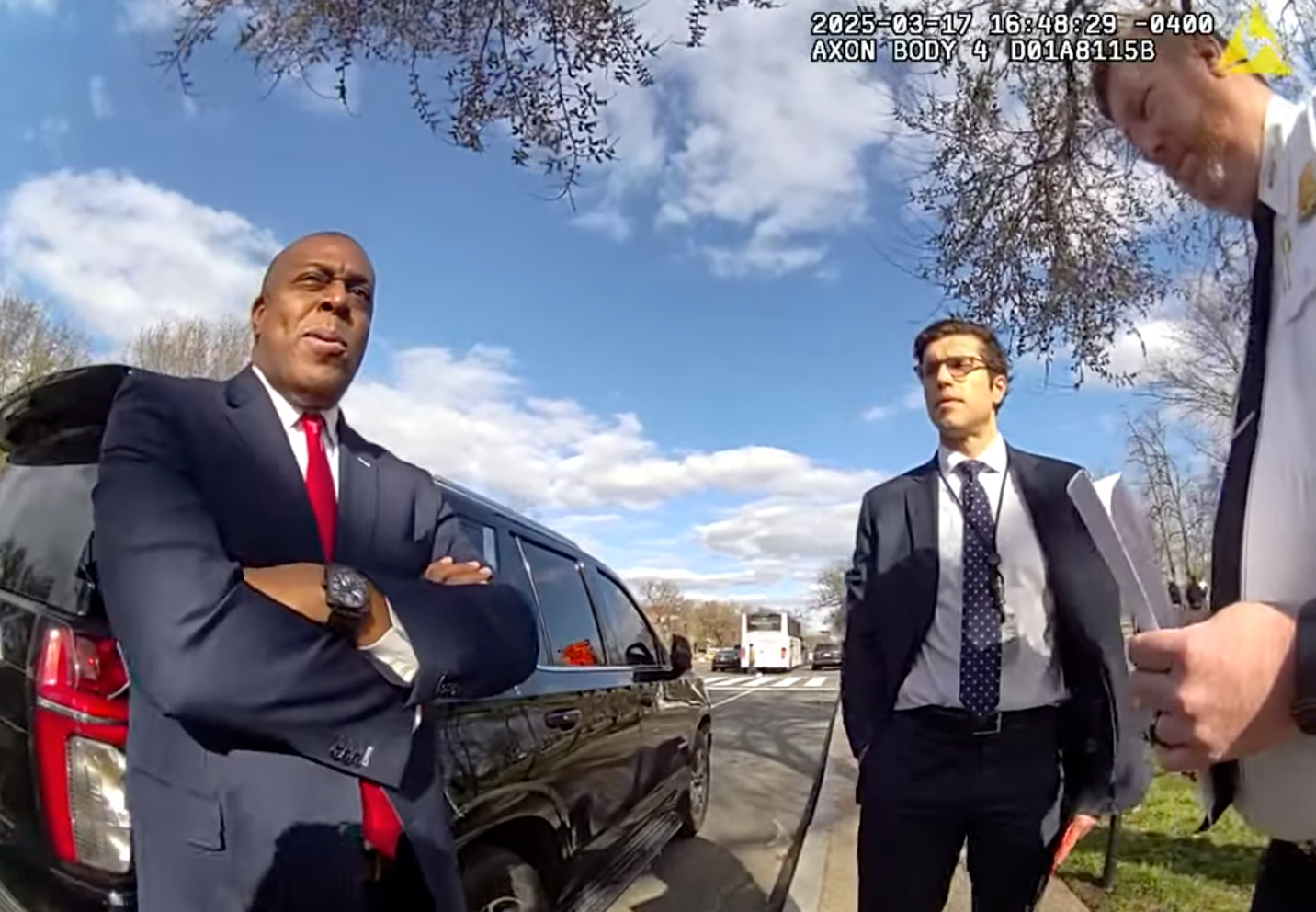
As Kabas reported, the videos tell an important story about the role local police played in the takeover of USIP, an issue that had drawn questions and concerns among D.C. officials and residents. The videos show that police officers sided with DOGE officials over USIP staffers. During one tense exchange, Kabas wrote, officers blocked USIP staffers from walking down a hallway to collect their property, prompting USIP’s outside counsel to say, “You’ve got guns. I don’t.”
But Kabas’s biggest takeaway from reviewing the footage concerns why D.C. police were there in the first place: DOGE officials knew that the USIP headquarters was a private building that was not owned by the federal government, so they couldn’t gain access on their own. “[A]nd the DC MPD allowed them to enter despite that fact,” Kabas reported.
The Reporters Committee recently spoke with Kabas to learn more about her reporting and the successful legal battle that made it possible. In the conversation, which has been edited for length and clarity, Kabas explains why the yearlong legal fight was worth it and what it means to have access to the Reporters Committee’s free legal support as an independent journalist.
Why did you decide to submit a public records request about the DOGE raid at USIP?
Before the actual raid took place on Monday, March 17, DOGE officials had shown up a few days before on that Friday, and I was talking to people at the Institute of Peace who were communicating with people inside the building on that Friday. So right from the very outset of this situation, I was very invested in it, because I was hearing firsthand what was going on and how aggressively DOGE was dealing with this particular agency.
From what the people inside were passing along to people who spoke to me, I could tell that it was a particularly abnormal situation during what was already a really abnormal time [in the early days of the Trump administration]. The fact that the Metropolitan Police Department responded to it meant that there was body camera footage of it, and so that was something that I was thinking about pretty much right after the news of the actual raid on March 17 broke. I knew that they were required to have the body cameras, so I submitted a request a day or two later.
Did you have a sense of what you might learn from those bodycam videos?
I really wanted to know exactly how the DOGE team got into the building, because that was the big question mark. There was a lot of conjecture over that. I wanted to see physically who opened the door, how it was opened, which door, when that happened, who was there, when it happened. So it was a lot of just really basic questions, like, who, what, when, where, how, why. And so I had a feeling that [the bodycam videos] would unlock those answers.
I also knew that we had heard so much about DOGE and the way they were operating, but we really hadn’t seen them in action. So I thought that this would provide a very up close and personal look at the disdain this group of people had for government agencies, and the way that they were just coming in and strong-arming people who have been doing this for their entire careers.
After the city failed to turn over records, you teamed up with Reporters Committee attorneys to file a lawsuit last June. That prompted the city to release a very small portion of bodycam videos, which you described as showing mostly “butts and stairwells.” What did you make of that disclosure?
I couldn’t learn much from the very limited footage they released. I think it was about 30 minutes total from nearly six hours. And that was the thing: We knew nearly six hours existed. So getting 30 felt like nothing, and so much of the footage that they did provide was just sort of [officers] going from one place to another. That said to me that there must be hours more of that at the very least. So why aren’t you releasing all of the butts and stairwells? What are you trying to prove by only giving us these little tidbits? And so that strengthened my resolve, because I could tell that they were trying really hard to hide this footage.
What was your reaction when the judge ruled in your favor during a hearing last month?
Well, my immediate reaction was, did what I think just happened actually happen? Because I’m not in court hearings very often. [The judge] just flat out announced it. And then afterwards, in the hallway, I asked Adam and Allyson, “We just won that, right?”
It was really gratifying. All of the delays on the part of the [government] in the last number of months have been really frustrating. The hearing was delayed three or four times. They just kept trying to stall. It kind of felt like the judge was saying, like, I see what you’re trying to do. Can we just cut this off right here? So it was very cathartic, in a way. It’s like, oh, it’s over.
The city later gave you nearly six hours of bodycam recordings from the DOGE raid. What were your biggest takeaways after watching all of those videos?
I think these videos show a few things. They show that MPD was on the side of DOGE and the Trump administration. They were clearly advocating for [DOGE’s] wants and needs in that situation, and not for those of the USIP staffers, even though both parties had called the police for different reasons. A really illuminating part was when George Moose, the former president of USIP, finally came out of his office to come face to face with MPD, and he said, “We thought you guys were our friends.”
I was also really taken aback by the sense of entitlement that the DOGE team showed upon entering a building that they did not — and still do not — own openly admitting that it’s private property at multiple points throughout these videos and talking down to [USIP staff members]. These were people doing peace-building work around the world. The irony of diplomats being presented with such undiplomatic behavior like that is not lost on me. And then I think the other big takeaway is that the USIP team put up a really big fight. You know, they tried really hard to stand their ground, to protect their building, to throw sand in the gears whenever they could to stave off what I’m sure they knew was inevitable.
When you actually watch it back, it’s an extraordinary circumstance, but it’s just these regular people coming in and saying: Hey, we own this building now we’re taking you over, and you have to leave. It’s incredibly awkward. The conversations are so awkward because no one really knows what they’re doing or what’s going on.
Why is it so important for the public to see these videos, even if it’s been a year since the raid happened?
I think it was so important for these to see the light of day because they reminded all of us that there needs to be accountability. And even if this was one incident that happened nearly a year ago, we can’t just let it go and keep moving forward. It’s important to kind of freeze certain moments in time and make sure that we don’t forget and make sure that we’re able to tell the full story when all is said and done. I think that the Trump administration relies on flooding the zone with too many things for us to handle, so that we can’t all focus on every single thing. But if each person kind of takes on one or two things to make sure that we don’t forget, I think, just from a historical perspective, it’s really important.
What did it mean for you as an independent reporter to be able to fight for access to these records with free legal support from Reporters Committee attorneys?
It was amazing. It’s not something I ever could have tackled on my own without incurring insane legal fees. But the fact that people who do this kind of work saw merit in pursuing it was really validating to me, and made me just want to go further down this road. It was really cool to get that kind of support, because I’m used to being very much out on my own. Being independent, legal troubles are things that keep you up at night. Your worst nightmare is that something really small and stupid is going to ruin you. But this was the exact opposite. This was a huge, huge thing, and it was really cool to be able to kind of punch above my weight a little bit because I had that support.
Visit The Handbasket to read Kabas’s reporting and watch more video footage of the raid.