Reporters Committee statement on subpoenas seeking New York Times reporters’ testimony
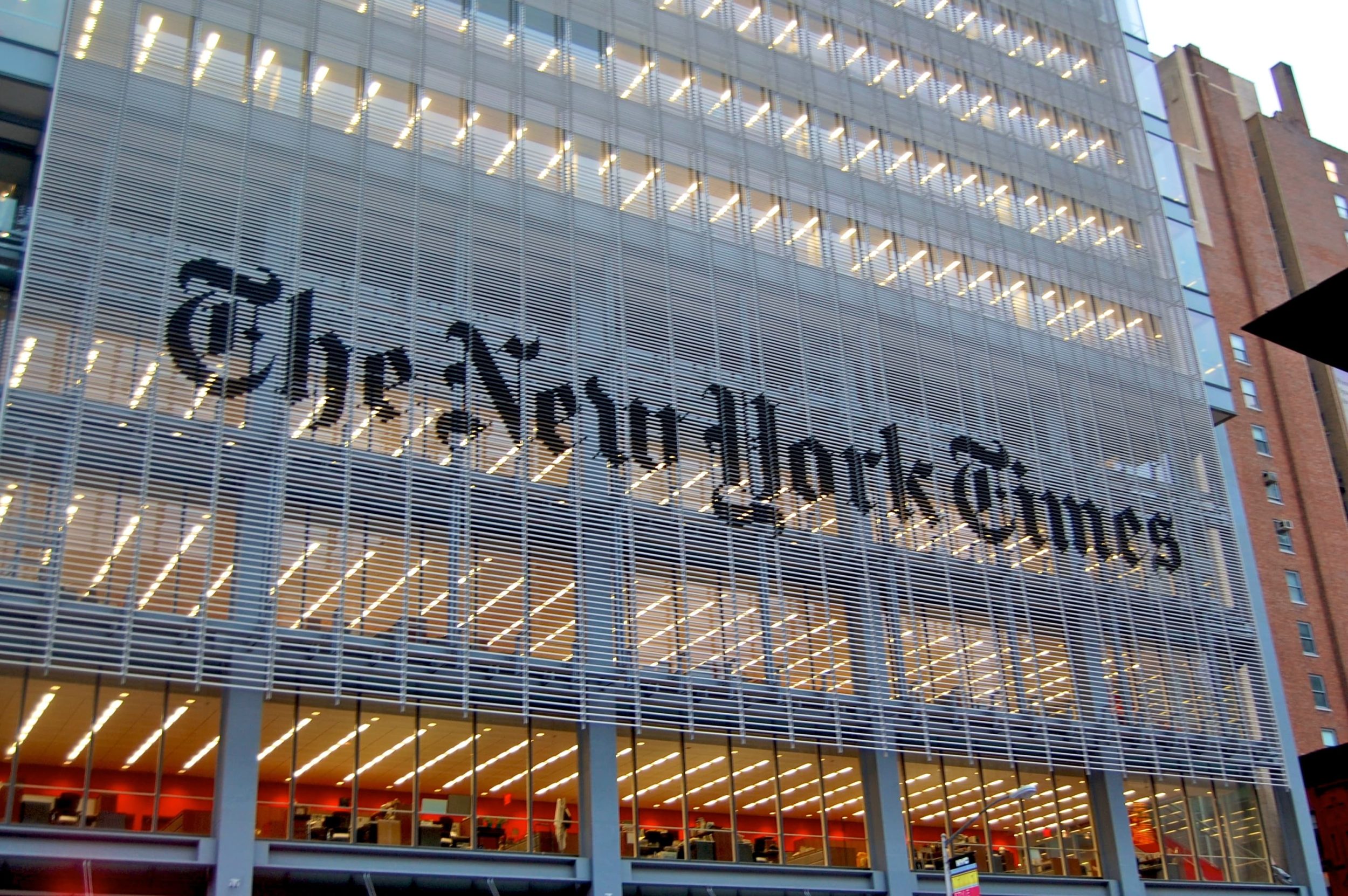
On Saturday, The New York Times reported that several of its journalists had received subpoenas seeking their testimony before a grand jury in Manhattan, issued by the U.S. Attorney for the Southern District of New York, Jay Clayton. The journalists who received the subpoenas include four who reported last week that President Donald Trump had departed from Turkey on an older Air Force One with more advanced security features than a recently donated Qatari plane.
The U.S. Justice Department maintains a policy requiring, among other things, that the attorney general approve investigative steps directed at journalists and that prosecutors pursue non-media leads before seeking to compel testimony from journalists through subpoenas.
President Trump recently nominated Clayton to lead the Office of the Director of National Intelligence and he is scheduled to appear before the Senate Select Committee on Intelligence this Wednesday. Acting Attorney General Todd Blanche has been nominated to serve as attorney general.
Stephen J. Adler, chairman of the Reporters Committee for Freedom of the Press, made the following statement:
“In the end, press freedom is about the rights of the public — to learn how their community and country are being run and to make informed decisions based on independent reporting. When the public’s right to know is crushed, as the Trump administration is trying to do with its subpoenas against The New York Times, all of us suffer irreparable harm, as does the freedom upon which this nation is built.”
Bruce D. Brown, president of the Reporters Committee for Freedom of the Press, made the following statement:
“Donald Trump’s war on the press is looking for another victim, this time the storied federal prosecutors office in Manhattan. The subpoenas it issued to journalists at The New York Times break from longstanding Justice Department practice to protect the public interest and press independence by requiring prosecutors to only seek information from reporters as a last resort when all other avenues have been exhausted. When Jay Clayton appears before the Senate Intelligence Committee on Wednesday, members of both parties must not let him escape accountability.”
(Haxorjoe/CC BY-SA 3.0)