WBIR legal challenge helps shed new light on juvenile murder case
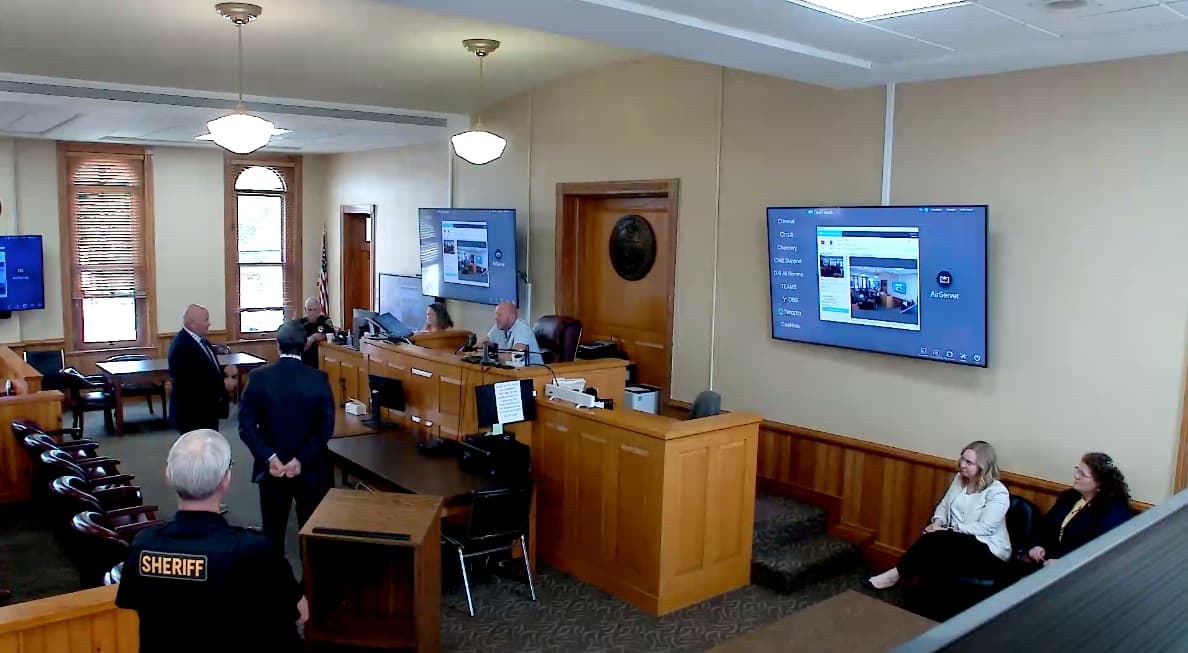
WBIR-TV in Knoxville, Tennessee, reported on Monday that a 15-year-old girl shot and killed her father while he was sleeping because she was upset that he took away her phone and he was trying to distance her from her boyfriend.
The news station’s reporting was based on records made public after Paul McAdoo, the Tennessee Local Legal Initiative attorney for the Reporters Committee for Freedom of the Press, filed a motion on behalf of WBIR challenging the secrecy surrounding the juvenile murder case and asking the Meigs County Juvenile Court for access to all proceedings and records that could shed more light on the matter.
Before WBIR’s motion, very little was publicly known about the case. The Meigs County Juvenile Court held a detention hearing two days after the murder that was closed to the public and press. During the hearing, authorities said the court appointed a lawyer to represent the teen, waived the detention hearing, and reset the case for August, WBIR reported.
The rules that govern the operation of Tennessee Juvenile Court state that juvenile delinquency proceedings are presumptively “open to the public.” To close a proceeding, the court needs to balance the interests of the parties and “the public’s compelling interest in open proceedings.” The rules also require the court to consider alternatives to closing the proceedings and “make adequate written findings to support any order of closure.”
When WBIR sought a copy of the order closing the detention hearing, the circuit court clerk’s office told the news outlet that it would not need to issue a written order or disclose any information about the case, including the case number, because the accused is a juvenile. The district attorney general’s office also told WBIR that court records in the case were being kept confidential and were inaccessible to the public.
With free legal support from McAdoo, WBIR filed a motion to intervene to access proceedings and records in the case, arguing that they are public under state law. The motion asked the court to keep future proceedings in the case open to the public; to unseal the court file in this case; and to provide WBIR and the public with a copy of transcripts for any prior hearings that were improperly closed to the public.
The court responded to the motion by unsealing all of the records and proceedings in the case, with the exception of those related to mental health evaluations. In addition to providing WBIR with a video of the previously closed detention hearing, the court also ordered all future hearings to be open to the public and press, including the next hearing set for Aug. 12.
To learn more, check out WBIR’s reporting about the newly unsealed records.