FCC chairman’s testimony raises ‘serious constitutional concerns’
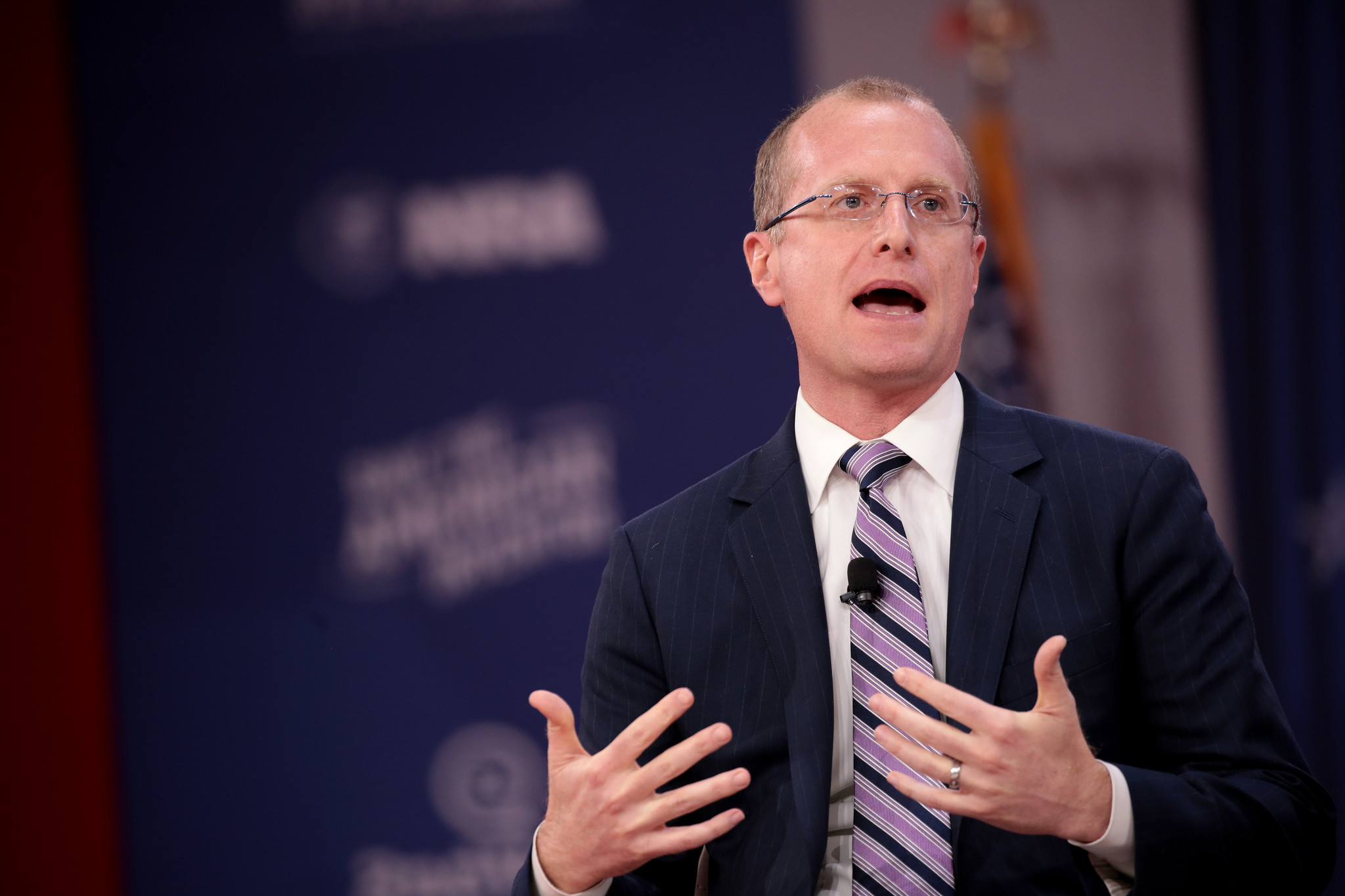
The Reporters Committee for Freedom of the Press is urging Congress to clarify rules governing the Federal Communications Commission’s authority to regulate the licenses of news broadcasters, arguing that recent testimony by the FCC’s chairman raises “serious constitutional concerns.”
In written testimony submitted to leaders of the Senate Commerce, Science, and Transportation Committee on Dec. 24, 2025, the Reporters Committee highlighted FCC Chairman Brendan Carr’s troubling response to questioning about the commission taking enforcement actions based on news organizations’ constitutionally-protected editorial decisions. Carr suggested during his testimony before the committee on Dec. 17, 2025, that his agency would revive enforcement of its “news distortion” policy and “broadcast hoax” rule, both of which derive from an FCC standard that requires licensed broadcasters to serve the “public interest.”
The Reporters Committee’s comments stressed that complaints of “news distortion” must meet a high evidentiary bar before any enforcement action is warranted or wise — a point RCFP made in March in response to the FCC’s decision to reopen an investigation into whether CBS News deceptively edited an interview with former Vice President Kamala Harris before the 2024 election.
“The news distortion policy is especially susceptible to improper use given that, absent careful limiting, it would necessarily intrude in constitutionally-protected editorial choices by the press,” the Reporters Committee argued. “Given that risk, the U.S. Supreme Court has confirmed, repeatedly, that the Commission’s authority to regulate the journalistic activities of licensees is exceedingly narrow.”
The Reporters Committee similarly raised concerns about Carr’s references to the broadcast hoax rule, which is applicable only in the rare cases where a deliberately false broadcast has caused actual harm to a licensee’s audience.
“Were Chairman Carr to use the broadcast hoax rule pretextually to target licensees’ editorial autonomy for impermissible political purposes,” the Reporters Committee argued, “that would clearly violate the First Amendment and present a significant and improper extension of the rule.”