Florida newsroom’s lawsuit forces Village of Key Biscayne to permanently scrap ‘gag’ policy
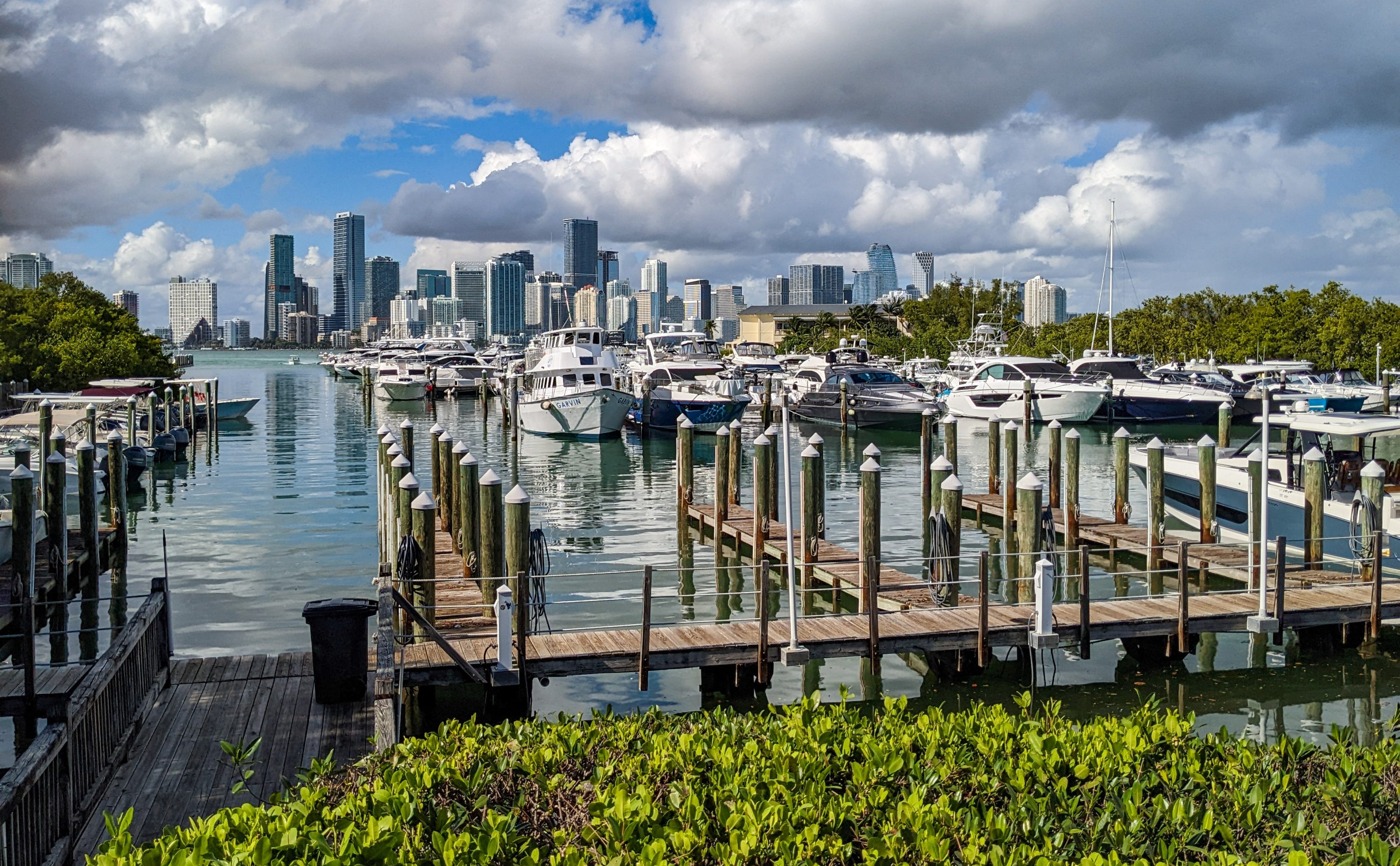
A First Amendment lawsuit brought by a nonprofit newsroom has forced the Village of Key Biscayne, Florida, to permanently scrap a policy that restricted public employees from speaking freely with the press, a move that could result in more accountability reporting on the local government.
The Key Biscayne Independent sued to challenge the so-called “gag” policy last year with free legal support from attorneys at the Reporters Committee for Freedom of the Press. In a settlement finalized last month, the village agreed to sunset the policy, pay $25,000 in attorney’s fees, and propose any potential future policy related to communications with the press at a public meeting.
Policies like these are pervasive across the country, despite the fact that they’re likely unconstitutional. Renee Griffin, a Reporters Committee attorney who represented the Independent alongside RCFP attorney Grayson Clary, said the settlement shows that “these gag policies that try to prevent public employees from talking to media about anything are a bad idea.”
The lawsuit argued that the gag policy, which prohibited village employees from communicating with any “media entity” without the approval of the village manager or its spokesperson, stifled the free flow of information to the public and violated the First Amendment rights of the press by restraining Key Biscayne employees from speaking with media.
“Governments of every size — local, county, state, city, federal — have this desire, I think, to control messaging coming out of the government,” Griffin said. But “when any government acts on that interest in controlling messaging by telling its employees they’re not allowed to speak on matters of public concern that they have information on or thoughts about, it really is a much bigger issue about the free flow of information.”
The village manager unilaterally enacted the gag policy “after a year of especially critical news coverage of the Village of Key Biscayne,” the lawsuit noted. Tony Winton, editor-in-chief of the Key Biscayne Independent, said right after the policy went into effect, government sources who used to routinely speak to the outlet’s reporters went silent. Some refused “to even exchange pleasantries,” the Independent reported.
“For certain kinds of stories, it had a chilling effect,” Winton said. “People who might have volunteered some information or had some insight about a particular issue or topic, they would be less likely to share that information with you.”
That meant it was harder for the outlet to report timely news on a range of matters of public interest, such as hurricane and disaster preparation, according to the lawsuit. The gag policy stated that employees who spoke to media entities without permission could be subject to disciplinary action.
After the Independent sued over the policy, the village temporarily suspended it. But the village didn’t guarantee that the gag policy wouldn’t be reinstated, so a federal judge ordered the litigation to proceed. Then the village took settlement talks more seriously, Winton said, pointing to transcripts of the village council’s deliberations that became public after the case was resolved.
Importantly, Griffin said, the village agreed in the settlement to be more transparent when considering any potential future media policy. Moving forward, the village must give “reasonable notice” to the public of any such policy proposal and place its full text on a village council meeting agenda for public comment.
“That way, our client, the Key Biscayne Independent — as well as any members of the public who have a problem with the terms of that proposed gag policy — can show up at the village council meeting and say why it’s bad, which we hope will make sure no overbroad, unlawful restriction on speech is enacted again,” Griffin said.
This isn’t the first time Reporters Committee attorneys have challenged the constitutionality of a gag policy. In 2024, a First Amendment lawsuit brought by journalist Brittany Hailer, with free legal support from Reporters Committee attorneys and the Yale Law School Media Freedom and Information Access Clinic, forced a Pennsylvania county to revise a similar policy barring its jail employees and contractors from speaking freely with the press. That lawsuit is believed to be the first of its kind brought by a journalist, according to the Society of Professional Journalists.
For the Independent, a small, 5-year-old news outlet, Winton said taking a well-resourced local government to court is “a David versus Goliath situation.”
“Having the expertise and the support of [RCFP] was just, I’m incredibly grateful,” Winton said. “I felt that we had a fighting chance to really push back on something that really was anti-democratic, and it wouldn’t have happened but for [RCFP’s] involvement and its support.”