How to file FOIA requests like a pro
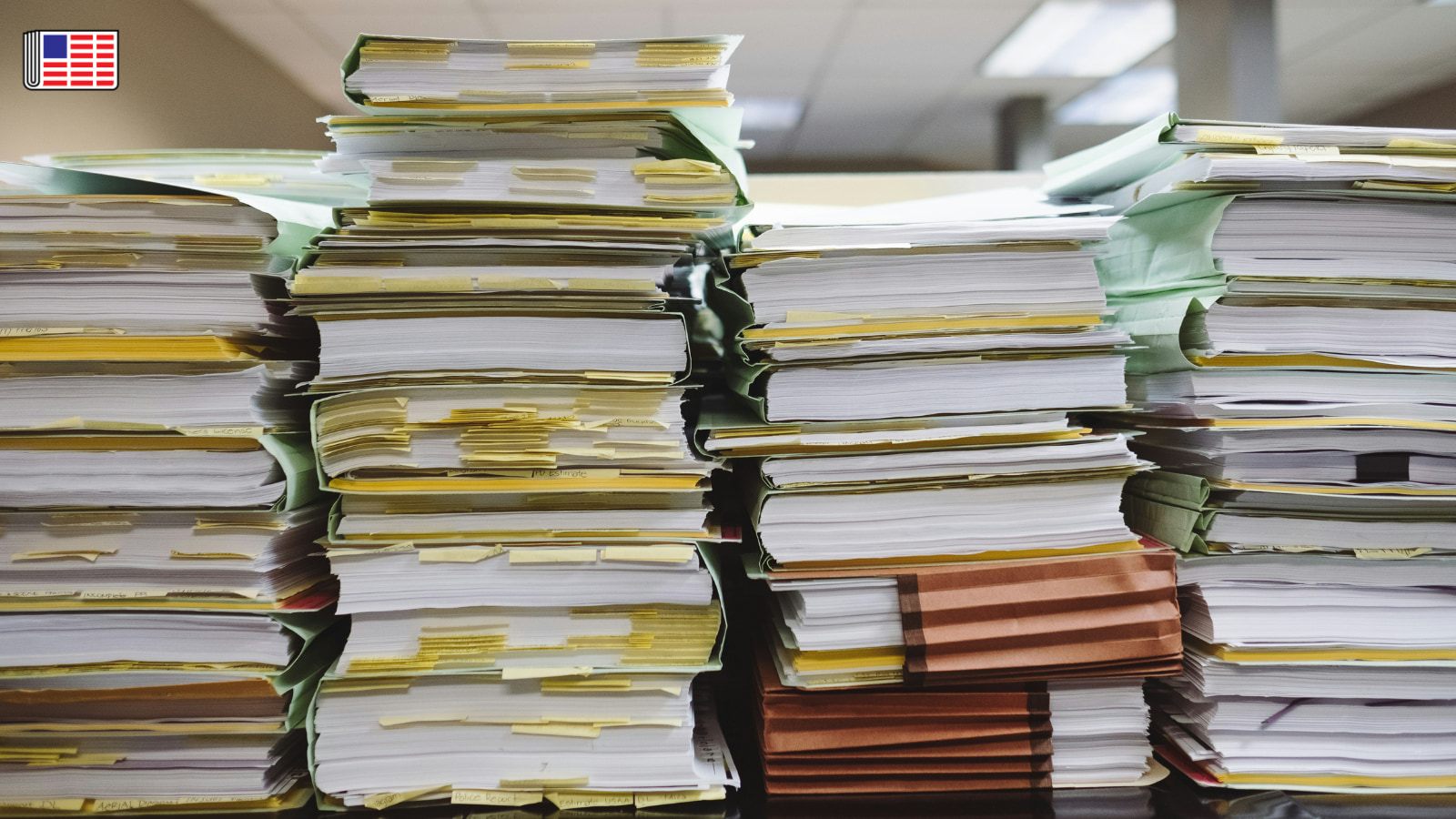
The Freedom of Information Act is an invaluable tool for reporters to access public records from federal agencies. But government officials frequently exploit FOIA’s flaws to keep records secret, delaying and denying journalists from telling important stories in the public interest.
Navigating these obstacles isn’t easy — but it is possible.
Reporters Committee asked several journalists who regularly use FOIA in their work — including a couple of our attorneys’ clients — to share three proven strategies:
- For generating FOIA ideas
- For crafting requests
- For navigating administrative appeals
Here’s what they told us.
Jason Leopold — Senior investigative reporter, Bloomberg News
For ideas
Leopold suggests generating ideas from news stories, especially when stories mention — but don’t post or link to — a specific document.
“If a news story can make for good FOIA fodder, use it to draft a targeted request for records,” says Leopold, who is a client of Reporters Committee attorneys. “It should be apparent what agency to request it from. But when in doubt, research the subject matter.”

He added one other key piece of advice: “Anytime a congressional committee is requesting documents from an executive branch agency, duplicate it.”
For requests
Always exclude news clippings, press releases, and listserv messages from your request, Leopold advises, as they will “bog down the substantive records you’re hoping to pry loose.” The attachments can also end up costing you more in fees.
For appeals
Always appeal, Leopold says. This was a common refrain among the journalists we spoke to.
Leopold suggests using the Reporters Committee’s FOIA Wiki to understand the exemptions cited by the agency, as well as ways in which you may be able to challenge them. He also recommends reading every state’s public records laws, the federal FOIA, and each agency’s FOIA regulations to empower yourself and understand what the law says you’re entitled to.
Reese Dunklin — Reporter, ProPublica
For ideas
Dunklin suggests looking at System of Records Notices, or SORNs, which are documents published by federal agencies that describe databases and other record-keeping systems that contain personally identifiable information about members of the public.
These notices, published in the Federal Register and frequently on agency websites, explain why the dataset’s information is collected, what records are maintained, where the data comes from, how it is used and shared, and how long it is retained, he says. They also show the types of documents, memos, complaints, and other material that feed into the dataset.

“That level of detail is a valuable research tool and idea generator,” Dunklin says. “It can help you decide whether a database is worth pursuing through FOIA or whether it is worth talking to a source who may have access to it.”
For requests
If SORN information leads you to a FOIA filing, you can then be much more informed and precise with your request. Rather than broadly asking for the “database,” you can cite the published SORN, identify the system by the formal name the agency uses, and even reference the agency contact listed in the notice.
“That makes it much easier for the agency to locate the data you’re requesting — or for you to call an agency’s bluff if it claims to have no responsive records,” Dunklin says.
Whether or not a SORN is your starting point, Dunklin emphasizes the importance of slowing down, researching, and sharpening your request before filing. “I understand the temptation to fire off a request after an interesting conversation with a source or after spotting something in a story,” he says. “The faster you submit it, the faster the clock starts ticking, right?” However, the risk in a hastily drafted FOIA request, Dunklin says, is you can end up waiting weeks for it to produce “a denial, a clarification request, or a large, unfocused trove of information that yields little of value.”
When Dunklin prepares a request like this, he says, “I research for hours, read as much background material as I can find, contact people familiar with the subject, and approach this homework, as I call it, with the same care I would bring to an important interview.”
In this preparation process, he says you should:
- Study an agency’s FOIA logs to see what you can learn from other requesters’ successes and failures. If someone has already obtained what you want, you can simply ask the agency to provide you with the same information. If someone was denied, you can read the cited law or relevant court decisions to see if a different argument for access might work.
- Review the agency’s organization chart to identify the offices, units, and people likely to have created, received, or maintained the records.
- Read prior coverage and other source material to identify the tightest defensible timeframe. If you truly need years of records, say so. But the broader the request, the longer you’ll likely wait, and the greater the chance the agency will call it burdensome.
“The larger takeaway is to be as specific, precise, and detailed as possible,” Dunklin says. “Put yourself in the FOIA officer’s position: Would the request tell you where to search, who might have the records, and what exactly you are looking for? The easier you make their job, the better your odds of getting useful records without avoidable delay.”
For appeals
Dunklin says he’s had several requests, often at the state level, that came with what he called an “emphatic denial.” The agency’s lawyer presented a seemingly crystal-clear exemption — and legal citation to boot — and it was easy to feel defeated.
“Never stop at that denial letter,” he says. “Read the statute, regulation, or court decision the agency cites for yourself. Those may not back the agency’s argument as strongly as the denial suggests.”
Denial letters can sound definitive when they come from a lawyer. But they are still arguments. Always check the agency’s work for yourself.
In one case, Dunklin says he was seeking autopsy and death data. The agency’s lawyer sent Dunklin a series of court decisions that the official said supported withholding the data, despite favorable language in state law. “But when I read the decisions for myself,” Dunklin says, “I found that their facts and legal issues were so different from my request that they offered little support for the denial. I appealed and challenged the agency’s reliance on those cases.” After two weeks of back-and-forth, he says, the lawyer reversed course and began producing the data.
Azmat Khan — Investigative reporter, The New York Times
For ideas
Pre-reporting is key, Khan says. Ask former employees of an agency for specific names — or the overall language they use — to locate the records you’re reporting on. Alternatively, look for underlying documentation that explains agency processes or lays out standard operating procedures or protocols on your subject.

“Often, some of these are already public or available through FOIA Reading Rooms or agency archives,” says Khan, who is a client of Reporters Committee attorneys. “Read through them and look for what kinds of records are required to be produced within those procedures. Would they contain information important to your reporting? If they’re not already public and seem of value, file for those specific records as they are described or named in the procedure documents.” You can then cite the agency procedural records as attachments to help demonstrate that what you’re requesting exists.
For requests
Research how long the agency you’re requesting records from takes on average to respond, Khan says. If the response time is long, go to the specific federal regulations on FOIA for the agency. (The Reporters Committee FOIA Wiki has them linked under the specific agency.) Search within the regulations for the circumstances where “expedited processing” may be granted. Many include provisions for information that is urgently needed by journalists to inform the public about federal government activity. They also often include other reasons, such as humanitarian need. If you have evidence that meets those grounds, include that in your request, as well as any attachments or exhibits that serve as proof of compelling need.
“I often attach news reports to show widespread public interest in that specific federal government activity, or expert reports, or sometimes even the words of government officials,” Khan says. End with a reminder about the statutory deadline by which they have to respond, she adds.
For appeals
If the agency denies expedited processing, or a fee waiver, file an administrative appeal. Usually, your denial letter will state a means of appeal and the officer you can file it with. Remember, you can’t sue until you’ve “exhausted all administrative options.” So, Khan emphasizes, “Always appeal a denial of expedited processing, which generally will allow you to move more swiftly to litigation if you’re considering that path.”
Nate Jones — FOIA director, The Washington Post
For ideas
Don’t spend too much time on FOIA logs. “They are often outdated, and the request fields are often not actually understandable,” he says. “Better to search and request records you know exist.” He suggests those cited in congressional hearings and reports, Government Accountability Office and Inspectors General report footnotes, other reporting, or previous releases.

For requests
“Don’t risk muddling things up by using AI,” Jones says. Instead, open clearly and simply with, “Under the Freedom of Information Act, I request …” The next part is where you should invest your time.
“Make the description of the records you’re requesting as clear and as helpful for the person receiving the request as possible,” Jones says. Your goal is to make sure the FOIA processor will know exactly what documents you are asking for and — hopefully — exactly where to look for them.
For appeals
If you take the time to appeal, Jones says, there is a good chance that a senior agency official tasked with reviewing your case will find something that a lower-level official did was improper, which will lead to the disclosure of more records.
Let’s say an agency denied your request in its entirety, but you’re convinced that officials failed to separate out and release non-exempt information while withholding exempt information, as they are required to do under FOIA. Contesting that failure “will very often force the agency to perform a second, better-conducted, line-by-line review, which results in more information being released to you.”
Kimbriell Kelly — Editor-in-chief, Chicago Public Media
For ideas
“Listen to the complaint in your head,” says Kelly, a member of Reporters Committee’s Steering Committee. “If you are questioning something, others probably are as well.” Turn that inquiry into a public records request, she advises. Do some pre-reporting with your sources to determine which agency might best answer your specific questions. Ask sources for the specific names of the documents you should be requesting. “That will increase your chances of approval and getting your response,” she says, “quicker and cheaper.”

For requests
Use successful requests as your guide. “You can FOIA the FOIA letters submitted in which responsive records were provided in the last 60 days,” Kelly says. Study and learn from these requests that got results. “Put together a list of the reasons why you think they were successful and do that every time,” she says. The winning letters are likely to have very specific requests, time periods, and documents and individuals named. They likely also avoid using the word “all.” Journalists can rarely afford to get a deluge of records, so you need to narrow your request.
Once you’ve honed the formula, Kelly recommends creating a template that you can use for easier future drafts, where you can update only the specifics of your new request.
For appeals
“Act quickly,” she says. Many appeals windows are short. Check on your FOIA requests frequently and make sure that agency responses didn’t end up in your junk mail. Otherwise, you may miss the deadline to file an administrative appeal.
“Also, understand the law and what you’re entitled to,” Kelly says. In some cases, reporters are unaware that there are separate state and federal laws. Knowing and citing the law can help you draft the appeal and defend a denial. Also, FOIA the response letters for cases in which similar requests to yours were granted so that you can use that to support your appeal.
To learn more about FOIA, explore Reporters Committee’s FOIA Wiki. Information about state public records laws can be found in our Open Government Guide. Still have questions? Contact Reporters Committee’s free Legal Hotline.