Quashed: Reporters Committee attorney helps Indiana journalist fend off subpoena
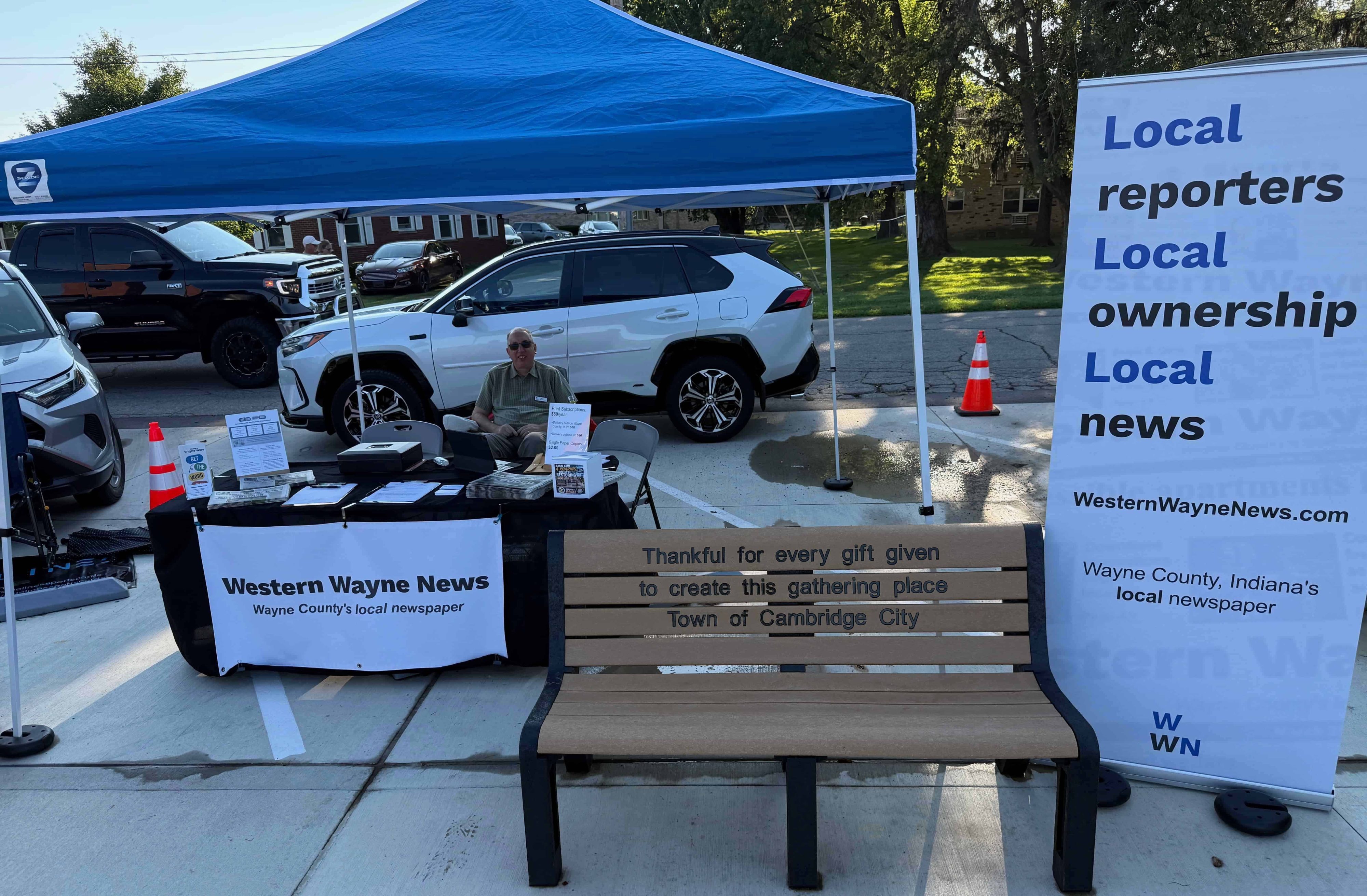
When reporter Mike Emery arrived at Indiana’s Western Wayne News on a Friday morning in late August, he found the newspaper’s owner and publisher, Chris Hardie, waiting for him inside the newsroom.
“Are you expecting certified mail from a law firm?” Hardie asked.
“No,” Emery replied. His next thought, he said: “Are we getting sued?”
Fortunately, they were not. But the news still wasn’t good. When Emery opened the mail, he learned that he was being subpoenaed for his testimony by the defendants in a federal lawsuit related to a warehouse fire in 2023 that displaced thousands of residents in Richmond, Indiana.
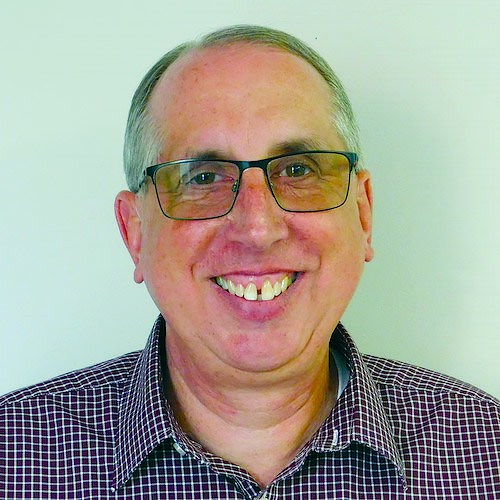
Emery wasn’t sure what to make of the subpoena, which was light on details. What did they want from him, he thought? His unpublished notes? Interview recordings? The uncertainty worried him.
Hardie shared Emery’s concerns. He felt uncomfortable thinking about how he would explain his reporter’s testimony in the federal court case to the community and to the newspaper’s sources. On a more practical level, he worried about losing one of his reporters for a day or more to the trial — something many local newspapers cannot afford.
Hardie knew he needed to fight the subpoena — he just needed help. As he thought through his options, Hardie remembered that he had crossed paths with Kris Cundiff, Reporters Committee’s Indiana-based attorney, at a few events over the past year. And he recalled what Cundiff had told him: “Give me a call if there’s anything you need. Nothing too big, nothing too small.”
That’s exactly what Hardie did. Much to his relief, Cundiff immediately agreed to take on the case.
“We didn’t even have to have the conversation about why it is important for a reporter not to be hauled into a court,” Hardie said. “He just got all that.”
After agreeing to represent Emery, Cundiff emailed the attorney for the defendants seeking the subpoena, a company called Cornerstone Trading Group. The email expressed “serious concerns” about the subpoena’s scope and asked for a meeting to discuss how the subpoena fits into the federal court case.
In response, Cornerstone’s attorney explained that he wanted Emery to testify “to lay the foundation” for an article he wrote about the fire at the center of the trial. The article, which was published a few days after the 2023 fire, was pretty straightforward, Emery said. It was based on public documents and quotes from press conferences and on-the-record interviews with city officials, including the mayor, who accused Cornerstone’s owner of causing the fire. Emery said the story was not based on any confidential sources.
Emery acknowledges that it may seem harmless to have a reporter authenticate a story he wrote during testimony. But he shares the concerns that many other reporters have when they receive a subpoena to testify in a trial: Once questioning begins, it’s impossible to know where it will go.
“If they get you in there, will they try to back door a way in to get to notes or recordings?” he said. “It opens a whole can of worms.”
This concern is especially acute because a reporter authenticating the accuracy of an article would be open to cross-examination from other parties, who may try to delve into unpublished material and sourcing to poke holes in the reporting.
Emery said he also worries about setting a precedent that journalists can be “hauled into court for every little thing that we cover that somebody might have a court case on.”
It’s a valid concern. Reporters are particularly vulnerable to subpoenas because the nature of their work is gathering information on events of public interest, any number of which may end up being the subject of litigation, from crime to industrial accidents that lead to class-action lawsuits like this one. Absent any protection for reporters, litigants would naturally turn to reporters as a convenient way to obtain information on their cases, which risks embroiling reporters in long-running litigation simply because they covered the news.
Cundiff asked Cornerstone’s attorney to withdraw the subpoena, but the request was rejected. On behalf of Emery, Cundiff then quickly drafted a motion to quash the subpoena, arguing that it places an undue burden on the journalist and seeks information that is protected under Indiana’s Shield Law and the First Amendment.
Just two days later, a federal judge granted the motion to quash the subpoena, concluding that “the burden of forcing Emery to testify at trial outweighs any benefit of his testimony.”
The news came as a huge relief to Emery and Hardie. Both journalists praised Cundiff and Reporters Committee for their willingness to take on such an urgent matter — and to do so quickly, effectively, and at no cost to their newsroom.
“It worked out fantastic,” Emery said. “Any newsroom that faces any type of situation like this would definitely benefit from calling [Reporters Committee] and getting that kind of expertise.”
Hardie echoed Emery’s comments, emphasizing the significance of Reporters Committee’s free legal support for a local newsroom like his.
“Purely from a small business perspective, if we had hired a private firm to conduct this work, it would have been many thousands of dollars. And as a newspaper operating on very small margins and struggling to be profitable, that could have made a huge difference in our ability to operate,” Hardie said.
“To have that resource for small papers like ours, it’s just incredible,” he added. “There are so many areas where newspapers are left to fend for themselves in figuring out a business model and a way of operating that works. So to have an organization that is operating for the good of journalism and for newspapers like ours, I feel really fortunate. It feels like a breath of fresh air in a landscape where we are otherwise really struggling for resources. It was huge.”