Unsealed records shed light on Trump administration’s targeting of noncitizen students, faculty for protected speech
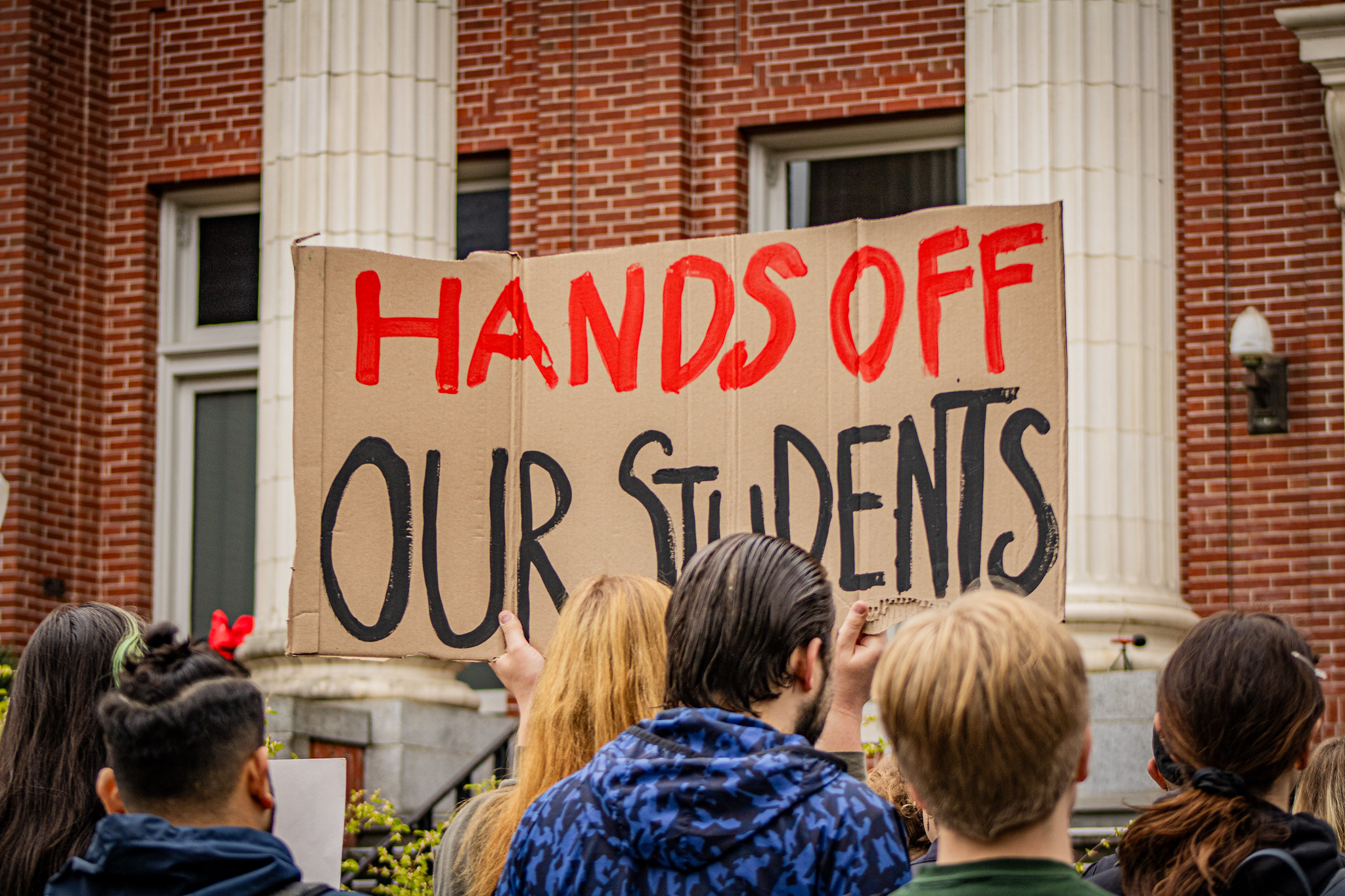
A federal judge in Massachusetts has unsealed records that he relied on to conclude last year that the Trump administration’s deportation campaign targeting noncitizen students and faculty at American universities for pro-Palestinian speech violated the First Amendment.
Judge William Young of the U.S. District Court for the District of Massachusetts ordered the documents to be made public last week in response to unsealing motions filed by several news outlets, including The Intercept and the Center for Investigative Reporting, which were represented by attorneys from the Reporters Committee for Freedom of the Press and the law firm Klaris Law PLLC. The records reveal new details about the federal government’s efforts to arrest and deport students and faculty who spoke out about Israel’s actions in Gaza.
“The court rightfully recognized the importance of unsealing these records to help the public better understand the court’s decision in this case, and understand why the Trump administration targeted certain students and faculty for deportation,” said Reporters Committee Staff Attorney Renee Griffin, who appeared in court to argue the motion to unseal on behalf of The Intercept and CIR. “There is a significant public interest in the federal government’s ongoing deportation campaign, including when it infringes on First Amendment freedoms.”
Last September, Judge Young ruled that Trump administration officials “misuse[d] the sweeping powers of their respective offices to target non-citizen pro-Palestinians for deportation primarily on account of their First Amendment protected political speech.” His opinion relied heavily on a series of exhibits that were previously sealed from the public, including reports on student protesters prepared by U.S. Immigration and Customs Enforcement officials.
“[T]he effect of these targeted deportation proceedings
— Judge William Young
continues unconstitutionally to chill freedom of speech to this day.”
In granting the news outlets’ motions to unseal the records, Judge Young wrote that the documents “shed light on the government misconduct this Court found as a result of a nine-day bench trial,” which concluded, among other findings, that “the effect of these targeted deportation proceedings continues unconstitutionally to chill freedom of speech to this day.”
As The Intercept and CIR reported, the release of more than 1,000 pages of documents from 251 exhibits submitted during trial reveals that federal agencies relied on social media posts, pro-Israel websites, and other “publicly available information” to target students and faculty who engaged in pro-Palestinian speech, including Rumeysa Öztürk and Mahmoud Khalil.
In the case of Öztürk, a Turkish citizen in the United States on a student visa at Tufts University, CIR reported that the records confirm that federal agents arrested her last March specifically because she co-bylined an op-ed for her student newspaper about Israel’s actions in Palestine.
In memos recommending the deportations of five students, “the State Department and [Department of Homeland Security] argued that the students posed a threat to U.S. foreign policy because the protests they participated in fostered a ‘hostile environment for Jewish students in the United States’ and undermined ‘U.S policy to combat anti-semitism around the world,’” The Intercept reported. “DHS and the State Department repeatedly based accusations of antisemitism and supporting terrorism on the students’ public speech, often noting that the First Amendment could make it difficult for the U.S. to win their deportation cases.”
To learn more, check out reporting from The Intercept and CIR.