The FBI search of a Washington Post reporter’s home: What we know and why it matters
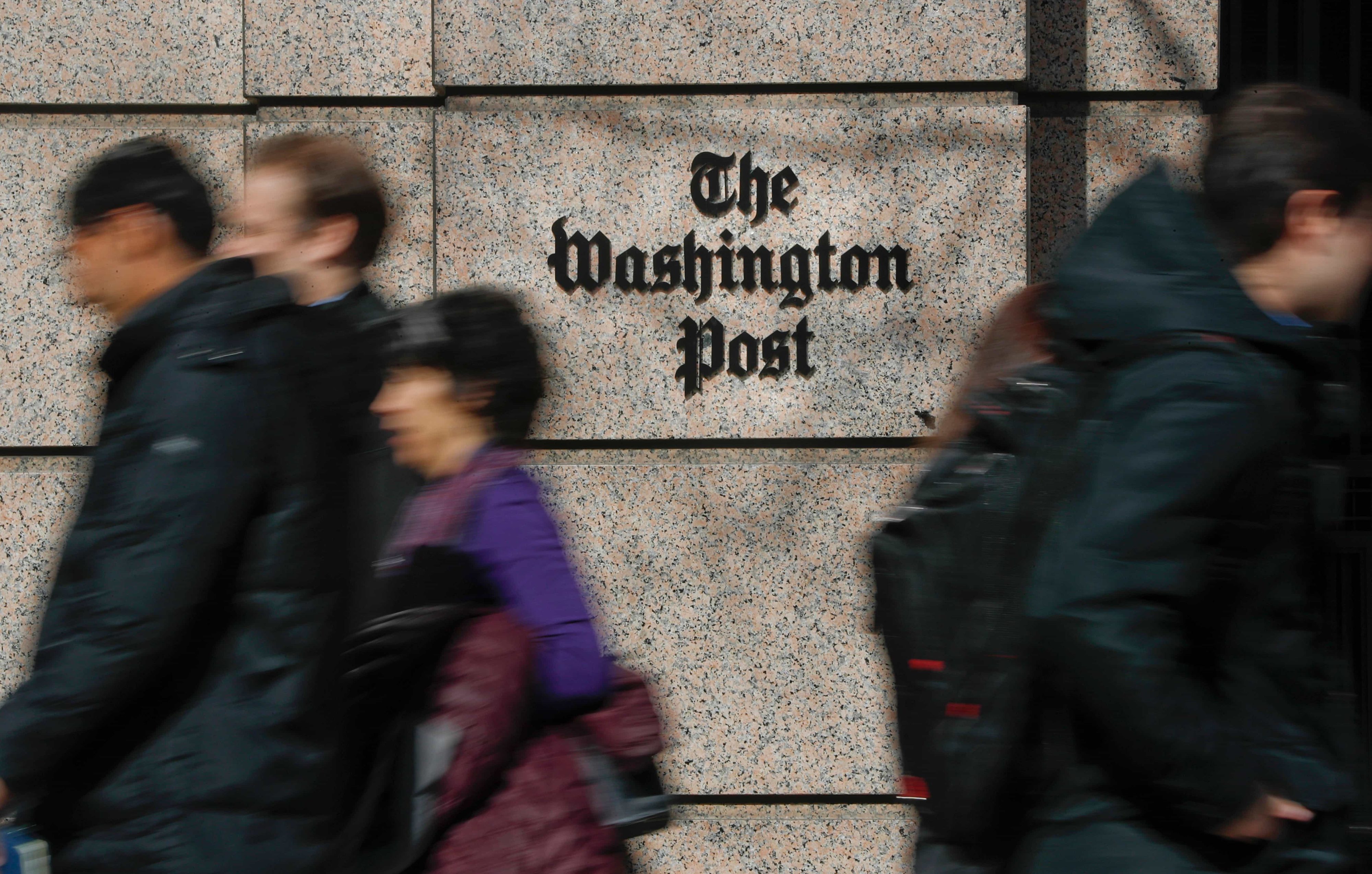
In an unprecedented move, FBI agents searched the home of Washington Post reporter Hannah Natanson on Wednesday and seized her electronic devices — sparking a swift response led by the Reporters Committee for Freedom of the Press both in and outside of court.
It is rare and extreme for the government to take the extraordinary step of searching and seizing a reporter’s property. Reporters Committee President Bruce D. Brown called the search “a tremendous escalation in the administration’s intrusions into the independence of the press,” highlighting the danger that such searches can pose to confidential sources and to public interest reporting broadly.
The Reporters Committee is now fighting to learn more about the government’s justification for the raid. In a court filing just hours after the search, we asked a federal district court in Virginia to unseal search warrant records related to the raid that are currently hidden from the public.
As we wait for the court to weigh in, we’ve broken down what we currently do and don’t know about the raid, why it matters, and what makes the FBI’s actions unprecedented.
What we know
On Wednesday morning, the FBI executed a search warrant at Natanson’s Virginia home as part of an investigation into a government contractor charged with illegally retaining national defense materials. The contractor, Aurelio Perez-Lugones, has been charged under the Espionage Act and is in federal custody. The government also subpoenaed The Post for information reportedly related to the same government contractor.
- FBI agents seized Natanson’s phone, work computer, personal laptop, and smart watch. Agents reportedly told Natanson that she is not the target of the investigation.
- U.S. Attorney General Pam Bondi confirmed the raid in a social media post, claiming Natanson was “obtaining and reporting classified and illegally leaked information from a Pentagon contractor.” President Trump later said the government contractor leaked information about the recent U.S. military operation in Venezuela, although court filings don’t mention that connection.
- In an email to his staff, Washington Post Executive Editor and RCFP Steering Committee member Matt Murray called the search an “extraordinary, aggressive action” that is “deeply concerning and raises profound questions and concern around the constitutional protections for our work.”
What we don’t know
Without access to the search warrant materials, it is impossible to know the government’s justification for searching Natanson’s home. That’s why the Reporters Committee quickly filed an application with the U.S. District Court for the Eastern District of Virginia seeking to make those records public.
- Because the warrant materials are filed under seal, “The public is … left with no means to understand the government’s basis for seeking (and a federal court’s basis for approving) a search with dramatic implications for a free press and the constitutional rights of journalists,” Reporters Committee attorneys argue in the filing.
- A federal privacy law generally protects journalists from searches of their work materials unless investigators suspect the journalist has committed a crime. That Natanson was told she is not the subject of the investigation raises the question of what the government told the court to justify issuing the warrant.
Why this matters
Many of the news stories people rely on to make sense of the world and hold government officials accountable are based on information that journalists obtain from confidential sources. These sources trust reporters to protect their identities, and reporters take that responsibility very seriously. But raids like this make government sources less likely to share information with journalists for fear of professional consequences and criminal prosecution, among other things.
- When confidential sources go dark, journalists have a much more difficult time reporting important stories in the public interest, especially stories the government wants to keep secret.
- In Natanson’s case, the seizure of her phone, laptops, and smart watch could enable the FBI to uncover scores of the reporter’s confidential sources — many of whom have entrusted Natanson to tell their stories of the Trump administration’s efforts to dramatically reshape the federal government.
- Journalists are already adopting heightened security measures to keep their sources and devices safe. Such efforts will hopefully signal to government sources that they can continue to share newsworthy information with journalists.
Is this unprecedented?
Yes. Here at the Reporters Committee, we closely track media leak cases. This is the first time the U.S. Justice Department has raided a journalist’s home in connection with a national security leak investigation.
- The most comparable case is the 2010 leak investigation involving then-Fox News correspondent James Rosen. In that instance, an FBI agent alleged that Rosen co-conspired with a government employee in order to obtain a secret search warrant for some of Rosen’s emails with a source.
- But here, the government’s intrusions are more expansive. The Justice Department’s seizure of Natanson’s electronic devices means it has access to a trove of material beyond her communications with the alleged leaker at the center of the underlying criminal case, which could jeopardize sensitive journalistic work product. This is especially concerning given Natanson’s beat covering the overhaul of the federal government. Her devices would potentially contain a lot of communications with government sources.
What’s next?
While we await the result of our effort to unseal the search warrant materials, Reporters Committee attorneys are currently working on an analysis that will dive deeper into the raid and provide key legal and historical context. Subscribe to our special analysis email list to be among the first to receive it.